This article has two pages. Here is page 2. Text and photos by Wolfgang Hock 2026
Always just beautiful pictures of Belém. So where, then, is the city characterized by poverty and squalor that Friedrich Merz spoke of when he returned to Berlin from the COP30 climate conference? Are there slum areas, known as favelas in Belém? As in all major Brazilian cities, Belém has numerous impoverished neighborhoods, known as "favelas". A typical feature of many of these areas in Belém is the presence of wooden houses on stilts situated directly over flood-prone zones and riverbanks. These communities suffer greatly from a lack of sewage systems, open wastewater, inadequate water supplies, and insufficient waste disposal. Vila da Barca is a well-known, large stilt-house favela (palafita) located right by or above the water. Jurunas/Estrada Nova is one of the city's largest contiguous and most populous favela areas along the bay. In Condor and Pedreira, too, the urban landscape is defined by so-called "Baixadas" (low-lying, often swampy marsh and flood-prone areas). But why do Brazilians from the south and southeast badmouth Belém? After all, there are hundreds of such distinct low-income neighborhoods on the hillsides and outskirts of Rio de Janeiro, São Paulo, Belo Horizonte, and so on. Even just leaving Rio’s North Zone airport — known as Galeão — you drive for 20 kilometers past vast hilly areas, all densely covered with favelas right up to the summits (Penha, Olaria, etc.). "Complexo do Alemão" is a vast favela in Rio de Janeiro comprising 25 settlements (with a population of approximately 80,000). Its name derives from the original owner of a large fazenda (farm) within the area that is now the favela — a Pole named Leonard Kaczmarkiewicz, who was mistaken for a German. Rocinha is the largest favela in Rio de Janeiro (and all of Brazil), with an estimated population of around 200,000 people. It is located in the southern part of the city (Zona Sul) — specifically in the São Conrado district — sandwiched between affluent neighborhoods and steep hills. The entire official sewer network of Copacabana and other South Zone neighborhoods (such as Ipanema and Leblon) channels wastewater to a central pumping station. From there, the wastewater is pumped out into the open ocean through a massive pipe over four kilometers long. The problem: The wastewater undergoes hardly any treatment before discharge. Usually, only coarse mechanical filtration takes place to catch larger plastic fragments and solid objects. Organic waste and chemicals are released untreated into the seawater, in the hope that ocean currents and the salt content will break down and dilute the bacteria. Just imagine: The famous, internationally renowned "Cidade Maravilhosa" (Marvelous City) — as it always calls itself — with its famous beaches, Corcovado, and Sugarloaf Mountain, still fails to treat its sewage in a modern, up-to-date manner. The filth simply flows into the sea!
What is the situation in the southern states of Paraná, Santa Catarina, and Rio Grande do Sul? Curitiba, the capital of the state of Paraná, prides itself on being different from the rest: no poverty, no favelas, no crime, no air or water pollution, a population of white European immigrants with a different mindset, and no traffic chaos. It boasts an excellent public transport system featuring the so-called "Biarticulado" — a bi-articulated bus with two joints and three sections. Capable of carrying up to 270 passengers, it operates in dedicated lanes (as part of a BRT system). It was intended to serve as a cost-effective alternative to an expensive underground metro in Curitiba. The question remains, however: does it truly achieve this? Or does it actually exacerbate traffic chaos by taking up significant surface space — space that is already in short supply amidst the city's notoriously chaotic traffic? For decades, the city administration stubbornly clung to the myth of the "perfect bus system" so as not to damage its global image. What was a cost-effective innovation in the 1970s is now taking its toll. With the BRT system operating at its absolute capacity limit, Curitiba is in urgent need of a rail-based mass transit system (such as a subway or light rail) — yet it is now even less able to shoulder the astronomical costs involved. The BRT system and the urban development plan were designed in the 1970s for a city of around 700,000 inhabitants. Today, however, the Curitiba metropolitan area has a population of over 3 million. The core infrastructure has undergone little change or expansion, meaning the bus system can no longer efficiently handle the sheer volume of commuters. Because the bus network is overburdened, uncomfortable during peak hours, and aging, many citizens have switched back to using cars. Paradoxically, Curitiba today has one of the highest per-capita car densities among all major Brazilian cities. This leads to precisely the traffic chaos and air pollution that the system was originally intended to prevent. For decades, urban planning focused on the prestigious main axes and the city center. The rapidly growing outlying districts and the surrounding towns within the metropolitan region were neglected. These areas often lack dedicated bus lanes, and unplanned, informal settlements (favelas!) emerged, exacerbating social inequality. Critics and recent analyses in urban sociology emphasize that the "model city" image — dating back to the 1970s and the military dictatorship of that era — was a politically orchestrated marketing campaign. The aim was to present a "different, modern Brazil" to the world. Today, the reality of poverty (in Curitiba!), budget shortfalls, and traffic congestion can no longer be concealed behind this glittering façade. While cities around the world were building new rail-based systems (such as modern trams or subways) or digitizing their networks, Curitiba relied for too long on the past success of its purely surface-level bus system. Only in recent years have tentative steps been taken toward digitization and fleet electrification. Curitiba is a failure; its lead as a laboratory for innovation has been lost. Today, the city struggles with the same urban problems as any other major Brazilian city. But back to the favelas: Of course, there are distinct impoverished areas in Curitiba with huge favelas! Contrary to its image as a “slum-free” city, official data reveal significant housing deficits: according to figures from the Brazilian statistics institute IBGE (2022 census), over 280,000 people live in the city’s favelas and urban communities. Local authorities — such as the Paraná Housing Company (Cohapar) — currently record around 322 favelas (!) and informal settlements (ocupações irregulares) in the capital, housing more than 93,000 families. Unlike in Rio, however, they are not immediately visible because Curitiba’s topography is different — specifically, it is entirely flat, situated on an inhospitable plateau with a miserable climate. Consequently, there are hardly any steep hillside favelas like those found in Rio de Janeiro; instead, they generally consist of flat, densely built-up areas on the outskirts of the city. Unlike in many major Brazilian cities (such as Salvador, Recife, Fortaleza, and Rio de Janeiro), wealth and poverty in Curitiba are sharply segregated geographically. While the city center and adjacent neighborhoods are characterized by relatively modern infrastructure, parks, and the express bus system (BRT), the favelas are concentrated in the outlying areas (the periphery). This makes it possible to effectively hide these impoverished neighborhoods from the casual visitor. Only those who look more closely will be shocked by the vast areas of favelas in Curitiba. Consequently, skillful propaganda by certain politicians (Jaime Lerner, Greca, Taniguchi, and others) was able to create the myth of a favela-free metropolis — a model city or a green idyll. In my view, it is all dishonest manipulation — unfortunately. The label "model city" never really corresponded to reality and is increasingly regarded by experts as a cleverly marketed myth. If you travel further south — to Florianópolis, for example, the capital of the state of Santa Catarina — you see, much like in Rio de Janeiro, the favelas rising up the slopes right behind the high-rises. A familiar sight. In Florianópolis, too, wastewater flows into municipal treatment plants depending on the neighborhood and type of connection, yet it undergoes minimal filtration and enters rivers, lagoons, and the sea virtually untreated. Since rainwater drains lead directly into the natural environment, untreated fecal bacteria end up in streams, the well-known Lagoa da Conceição, or right at popular swimming beaches (!). This regularly leads to water quality issues, particularly during the summer tourist season: it stinks badly! So, what about the immigrants of German descent who settled here, primarily in the 19th century? What about that supposedly "different mentality"? I couldn't find it. But the thing that makes Brazil especially beautiful — that tropical flair — is completely missing here. Places like Blumenau and Pomerode, for example, feature half-timbered houses, but the timber framing is merely glued to the exterior walls for decorative purposes; for me, this becomes a symbol of a lie — an attempt to appear as something they are not.
But now, back to Belém in northern Brazil:
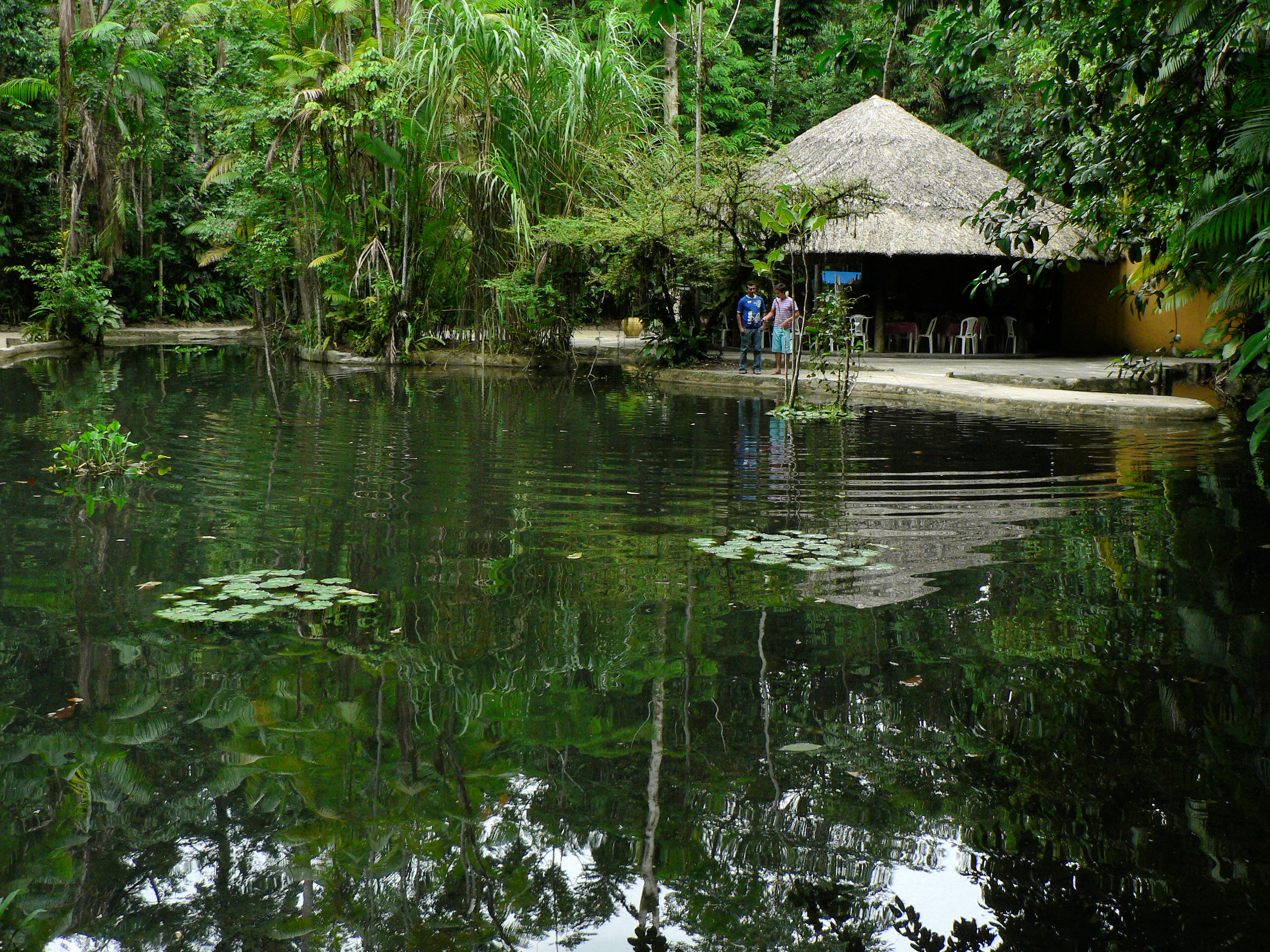
The Bosque Rodrigues Alves (Jardim Zoobotânico da Amazônia) in Belém, is a beautiful historic urban forest covering approximately 37 acres. Considered a green oasis in the heart of the metropolis, it preserves a portion of the original Amazon rainforest, featuring over 10,000 massive tropical trees, romantic shaded paths, lakes, wildlife and free-living or protected animals.
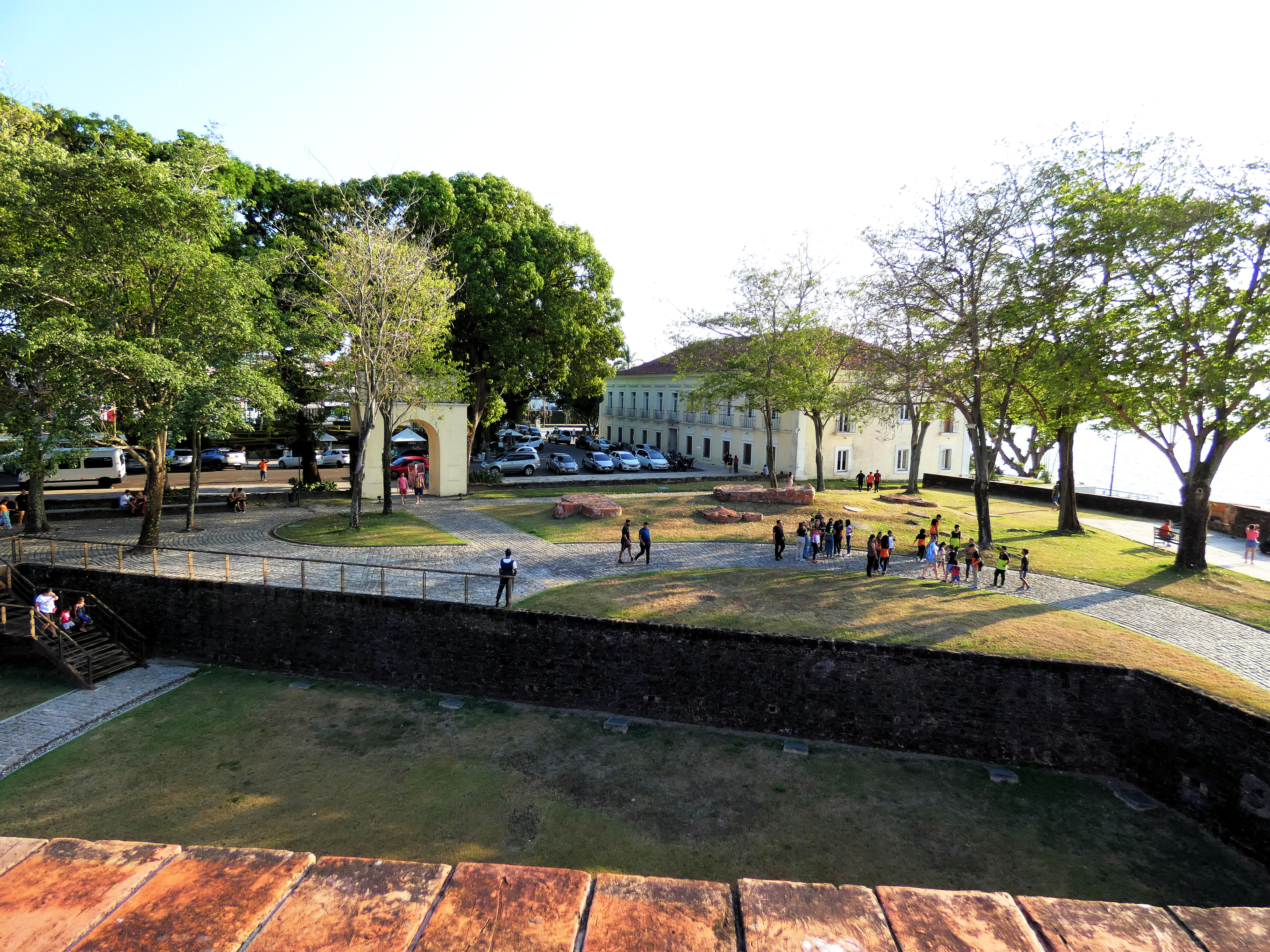
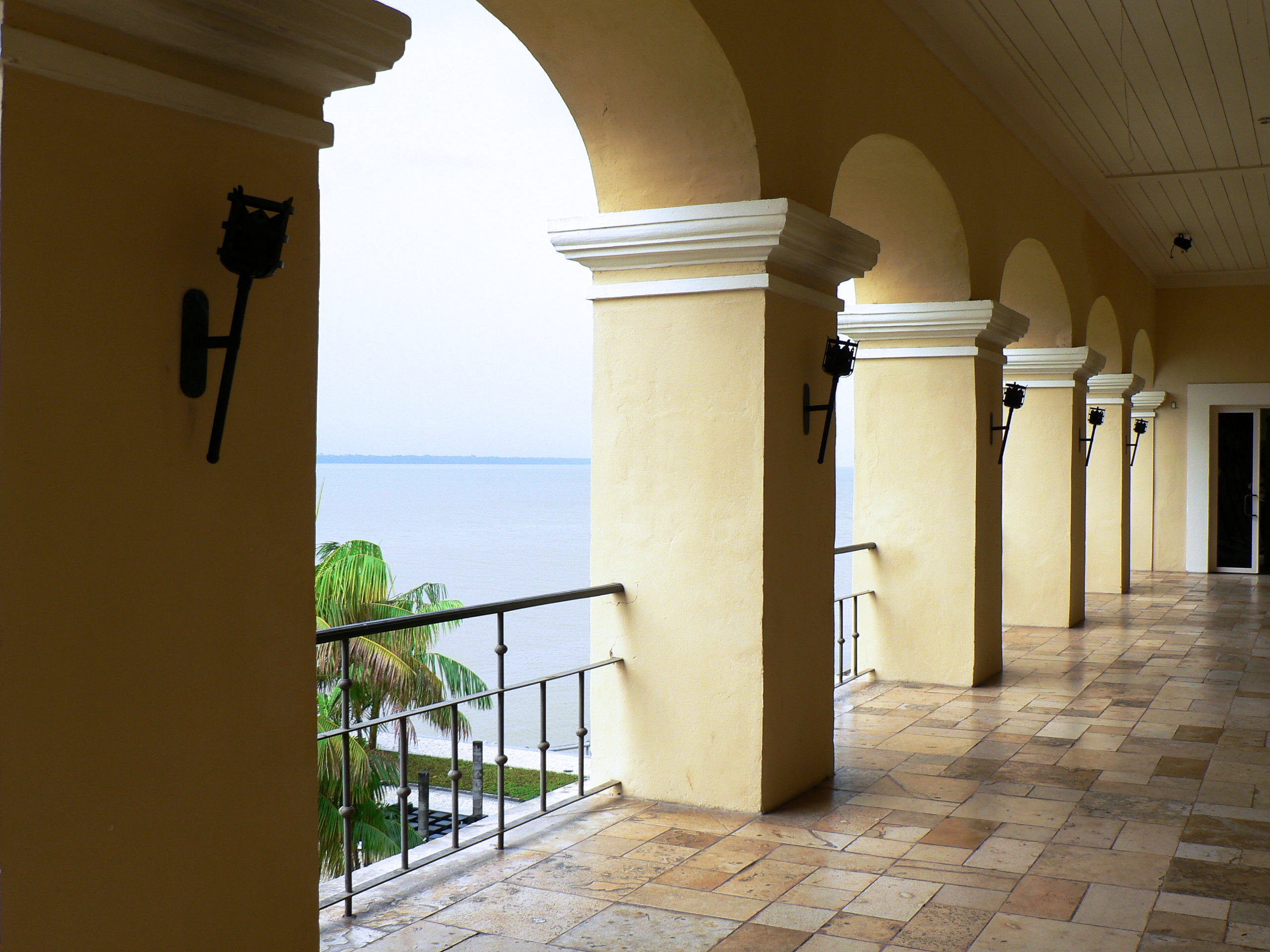
The House of the Eleven Windows (Casa das Onze Janelas) is a historic 18th-century building in the Old Town (Cidade Velha). Formerly serving as an aristocratic residence, a military hospital, and part of the fortifications, it is now a popular cultural center featuring a museum of modern art and a restaurant overlooking Guajará Bay.
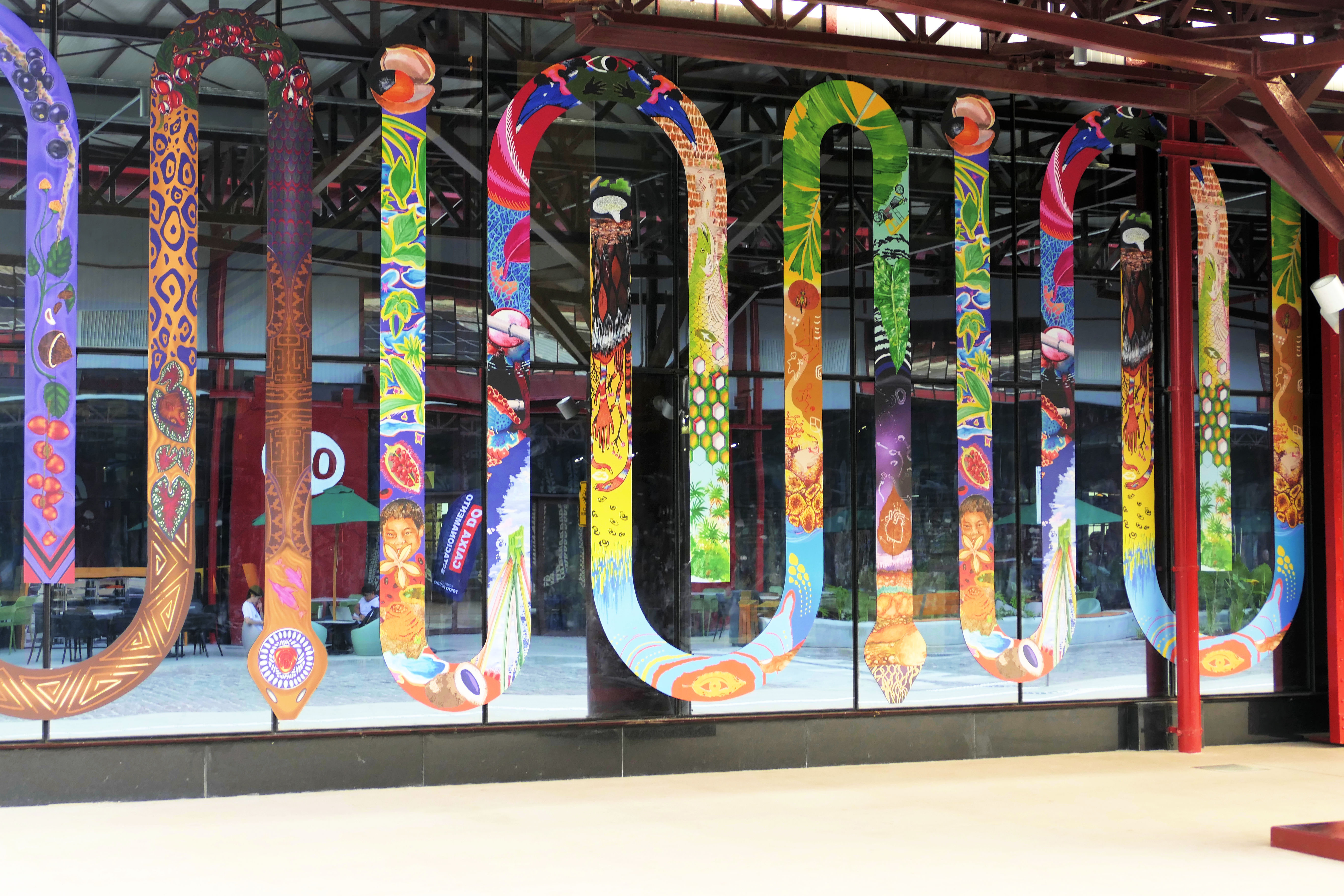
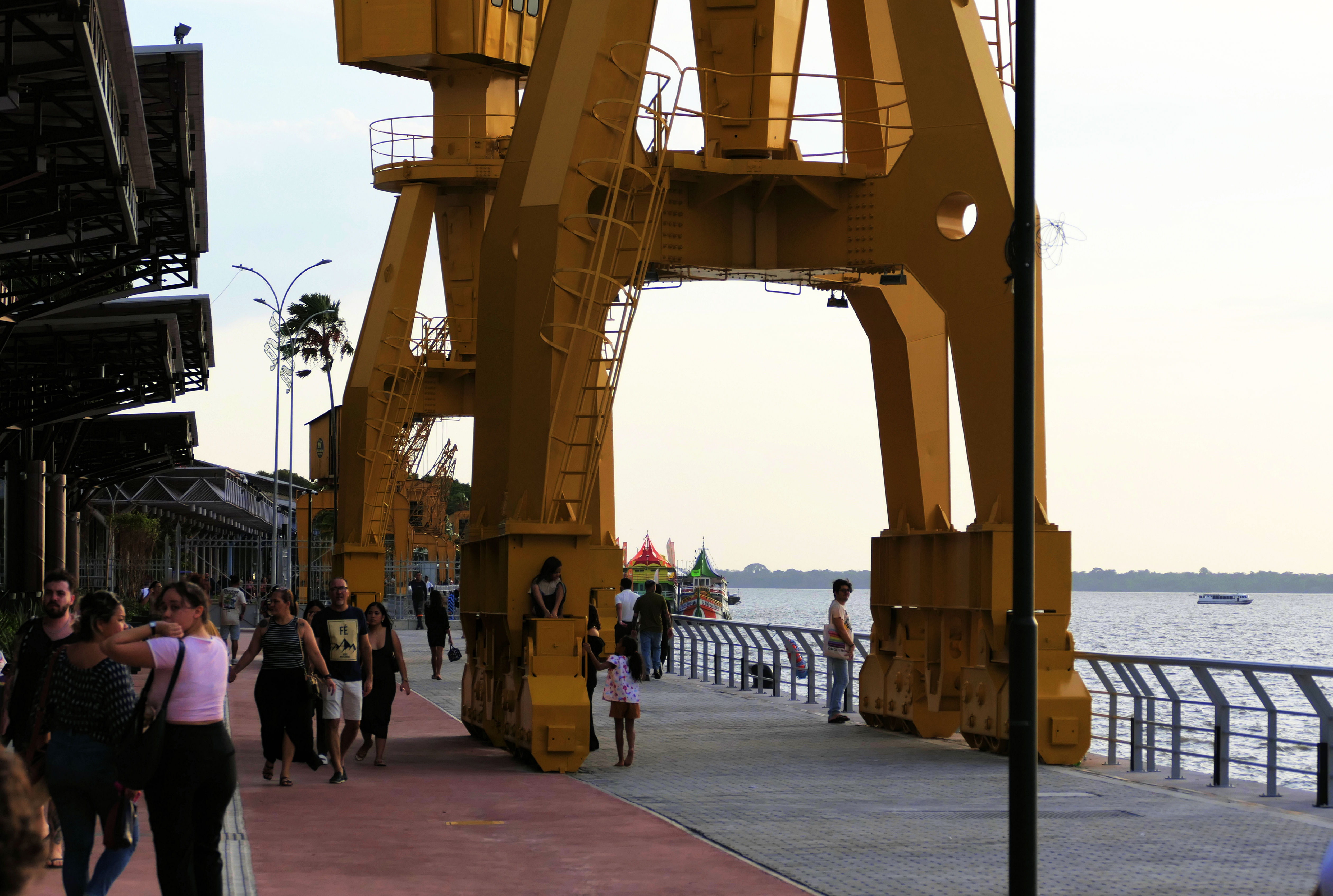
The Estação das Docas is a bustling, half a mile long cultural and leisure complex on the shores of Guajará Bay. Opened in 2000, the site transforms three historic warehouses from the rubber era into a modern hub for dining, art, and recreation. Last year, the complex was further expanded to include, among other things, a new art museum.
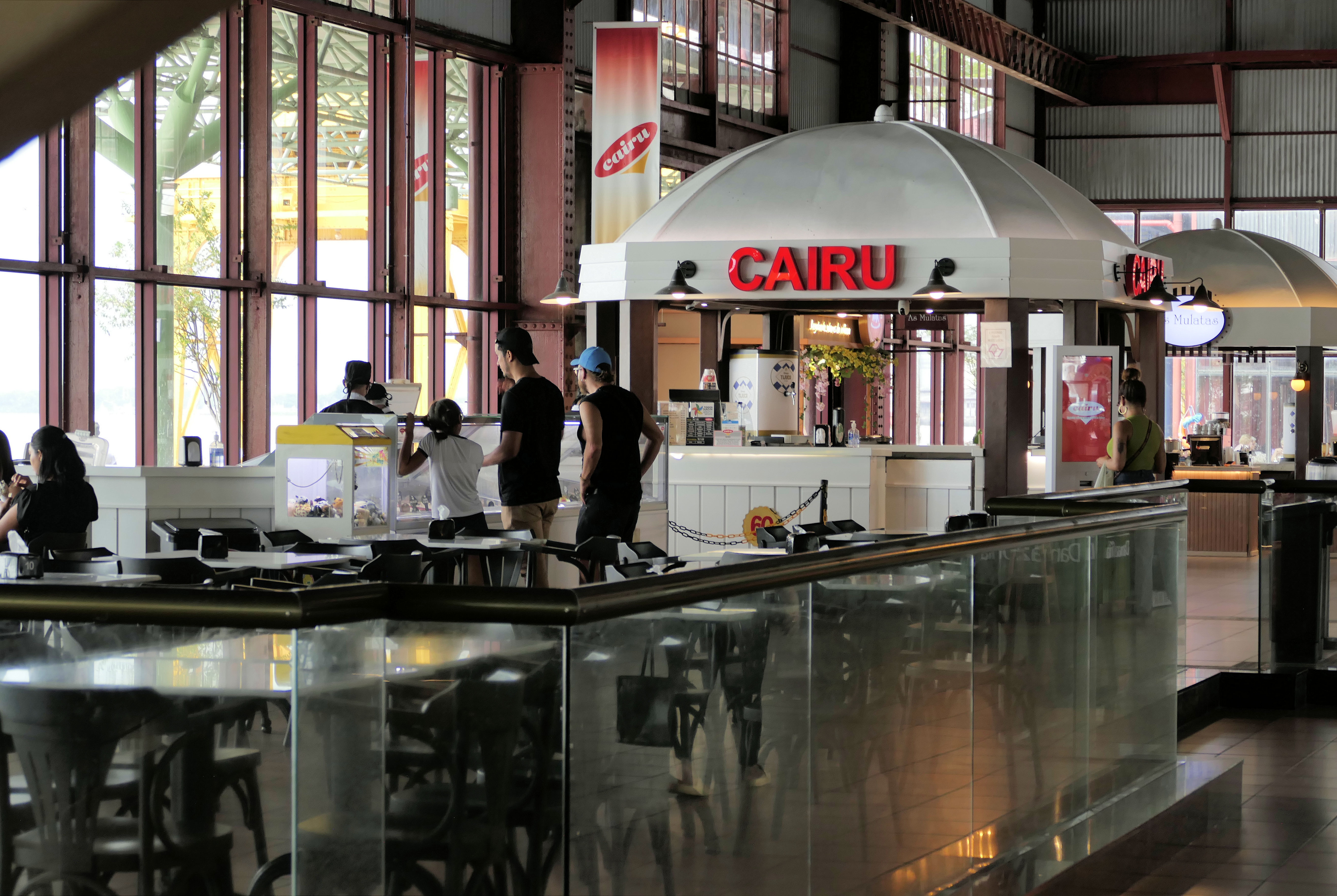
Sorveteria Cairu at the Docas is a world-famous ice cream parlor. Known for its selection of over 60 flavors made from exotic Amazonian fruits, it has received multiple awards as one of the best places for ice cream. Popular flavors: Cupuaçu, Açaí, Tapioca, Carimbó (cupuaçu cream with Brazil nuts), Taperebá, Bacuri, and others.
Mural with manatee (peixe-boi)
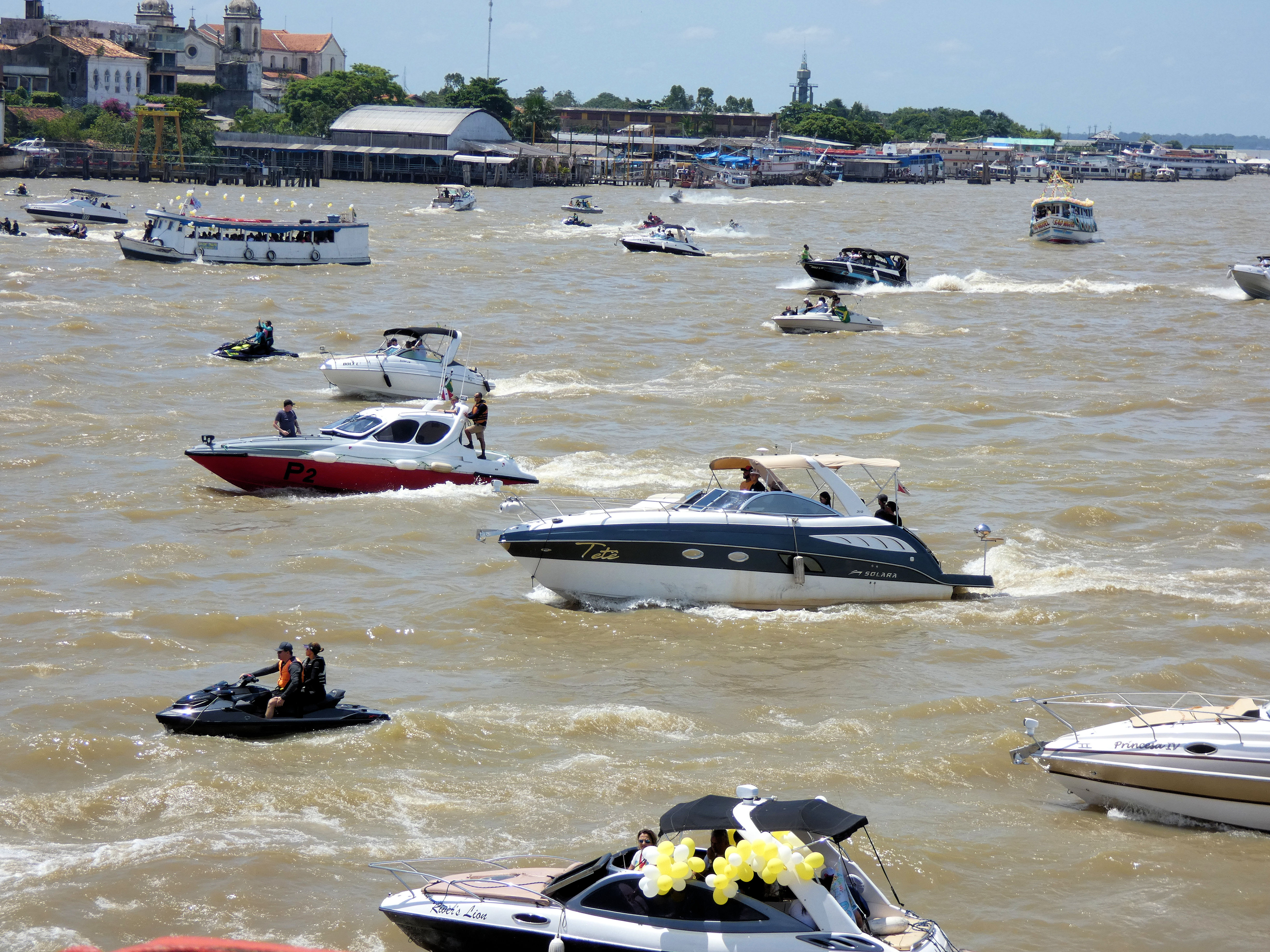
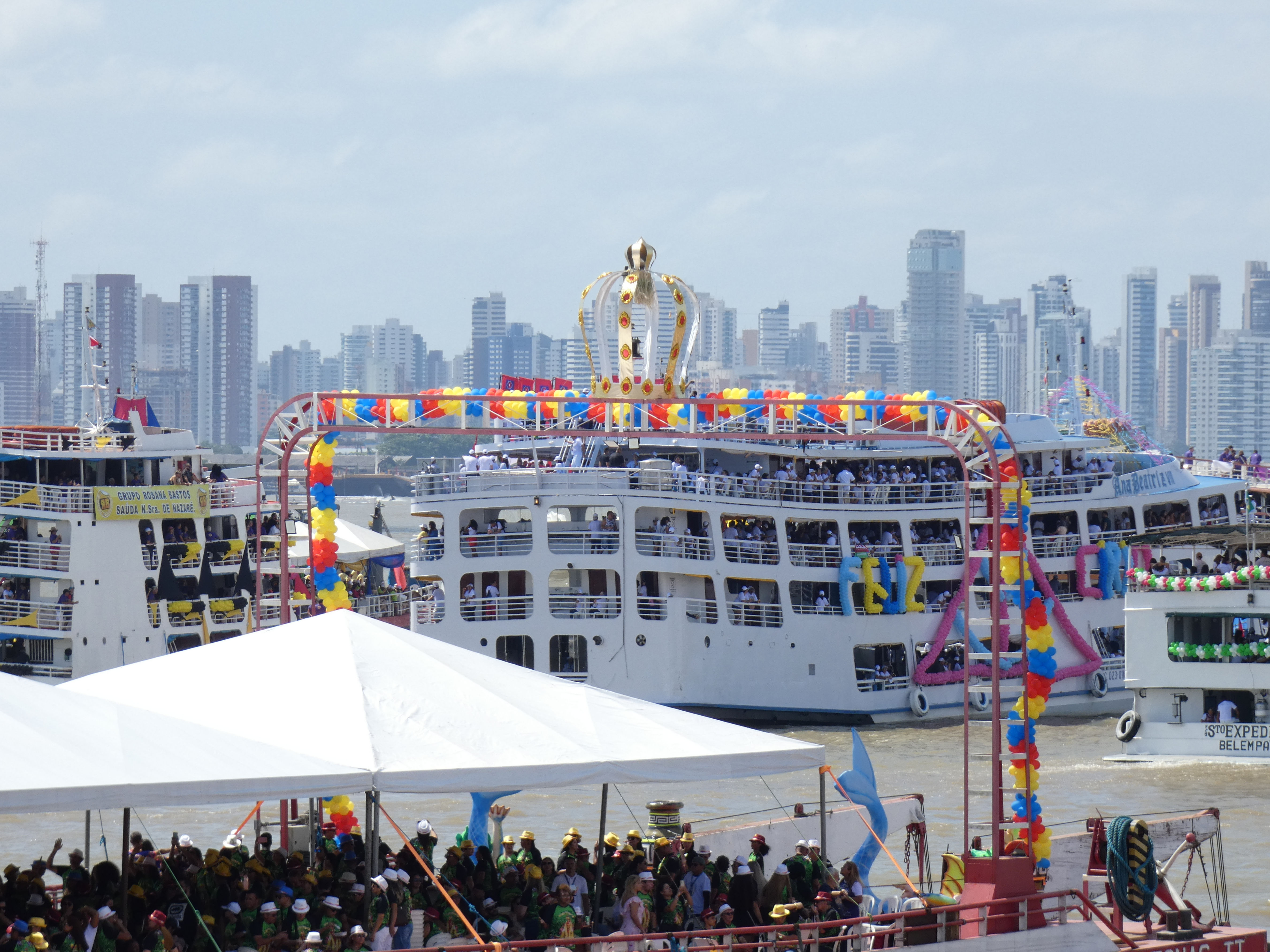
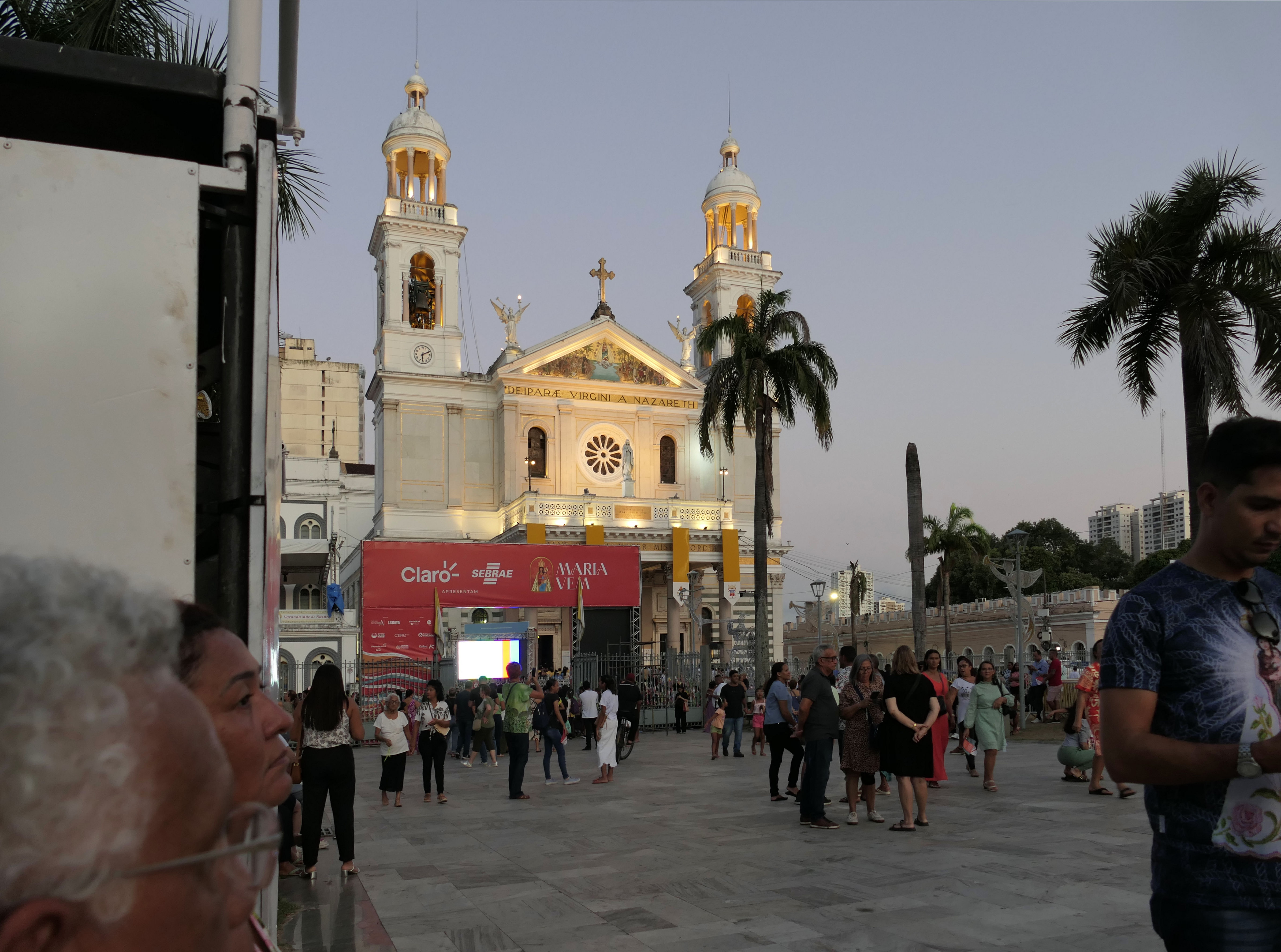
Círio de Nazaré The Círio de Nazaré is one of the largest Catholic religious festivals in the world (!). It takes place every year on the second Sunday of October in Belém. Around two million people accompany a statue of the Virgin Mary in a procession from the cathedral to Praça Santuário.
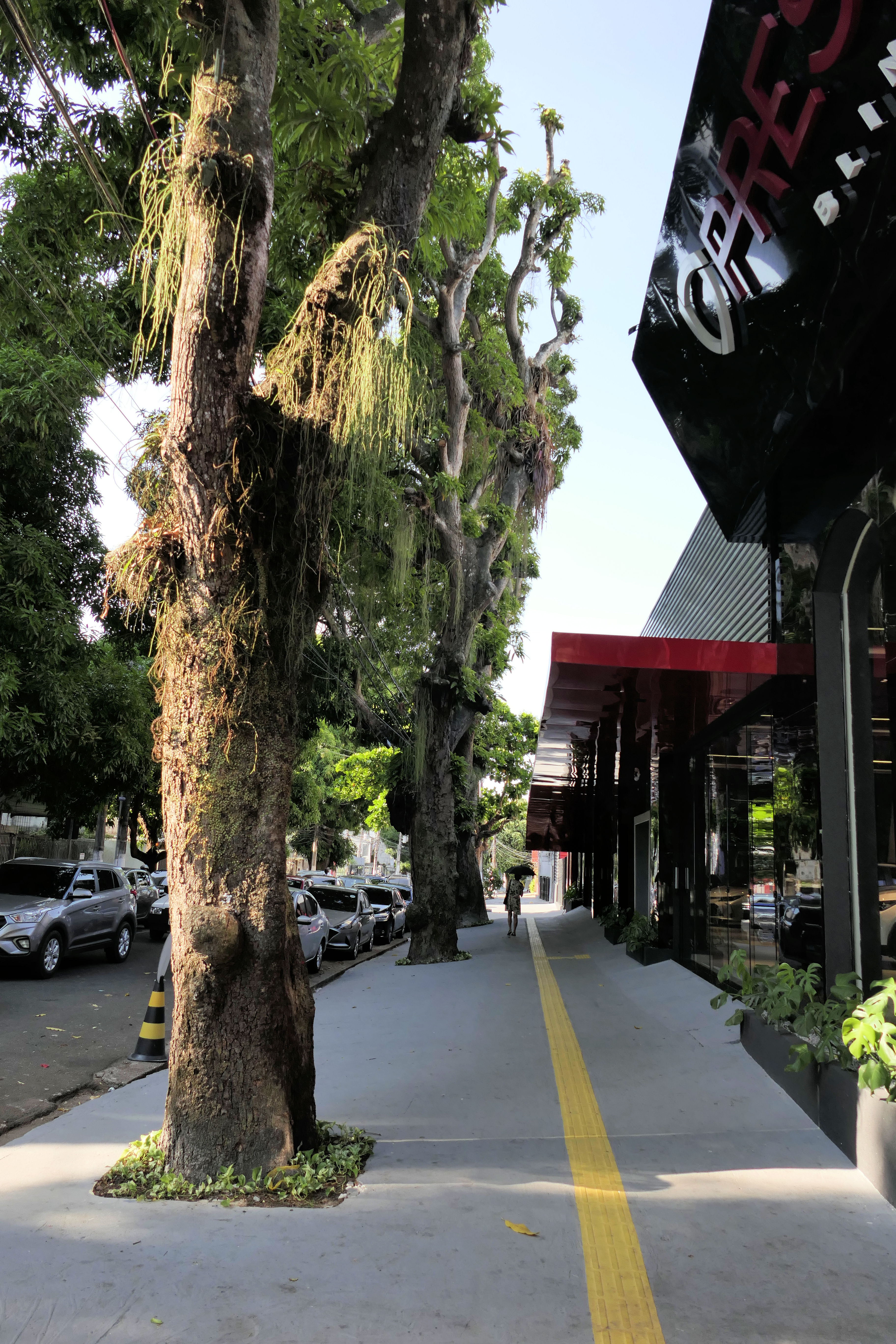
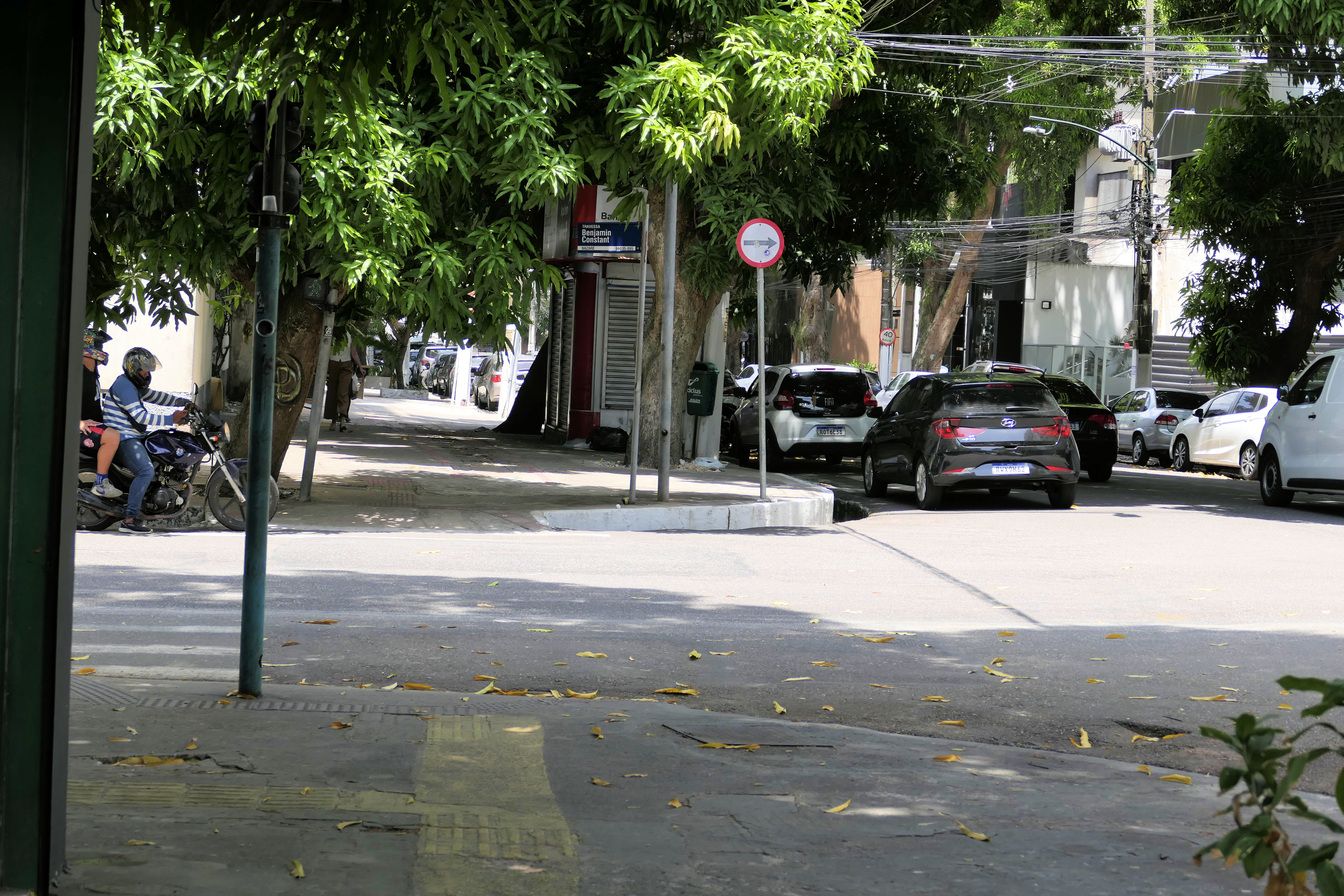
Belém bears the nickname "Cidade das Mangueiras" (City of Mango Trees) because tens of thousands of large mango trees shape the cityscape. They were planted by colonial rulers in the 18th century — and especially during the late 19th-century rubber boom — to provide shade against the tropical heat.
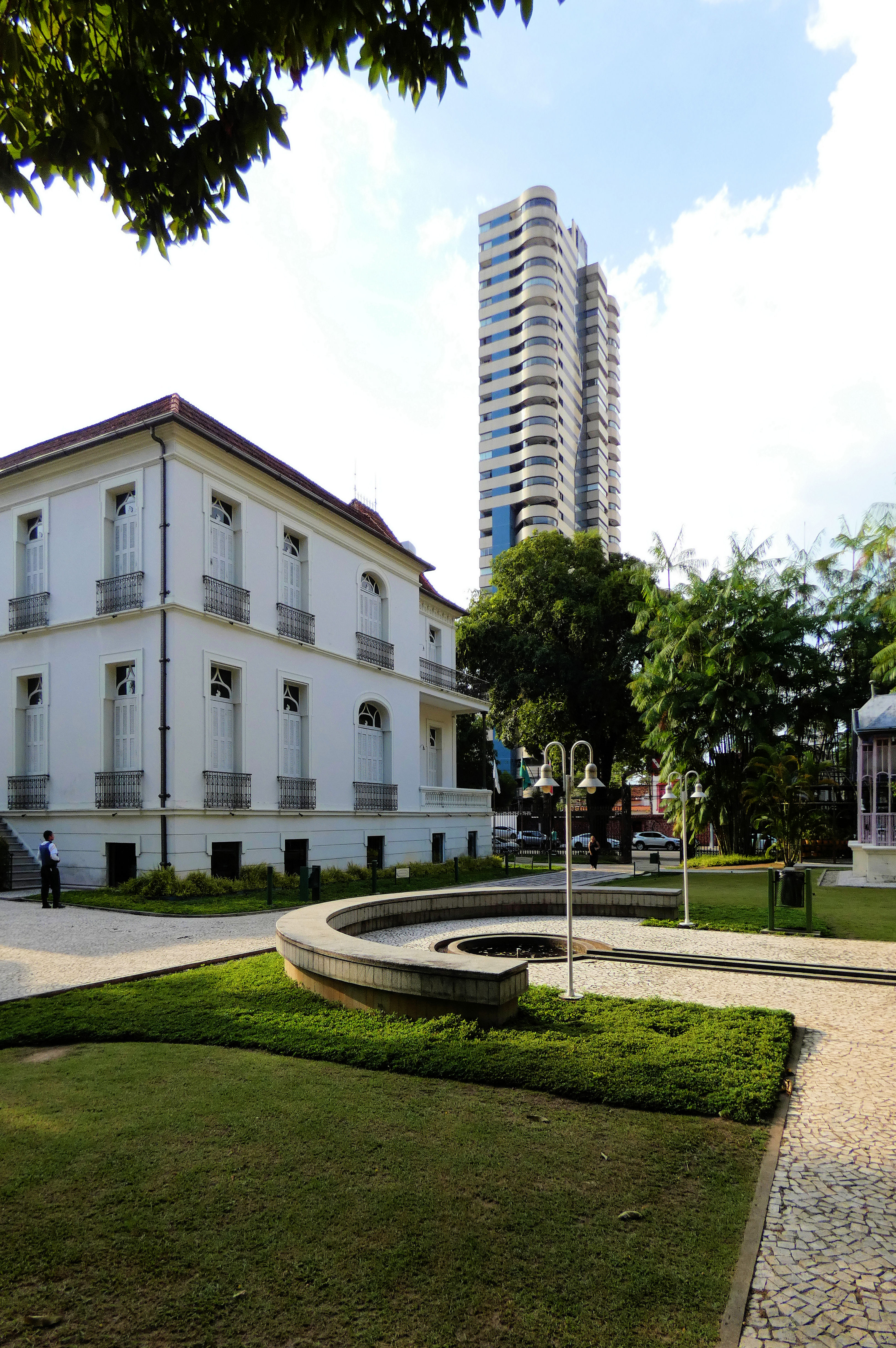
The Parque da Residência is a beautiful cultural park and former governor's residence on Avenida Governador Magalhães Barata. It combines lush greenery with cultural attractions, restaurants, and historical exhibits, such as an old Cadillac.
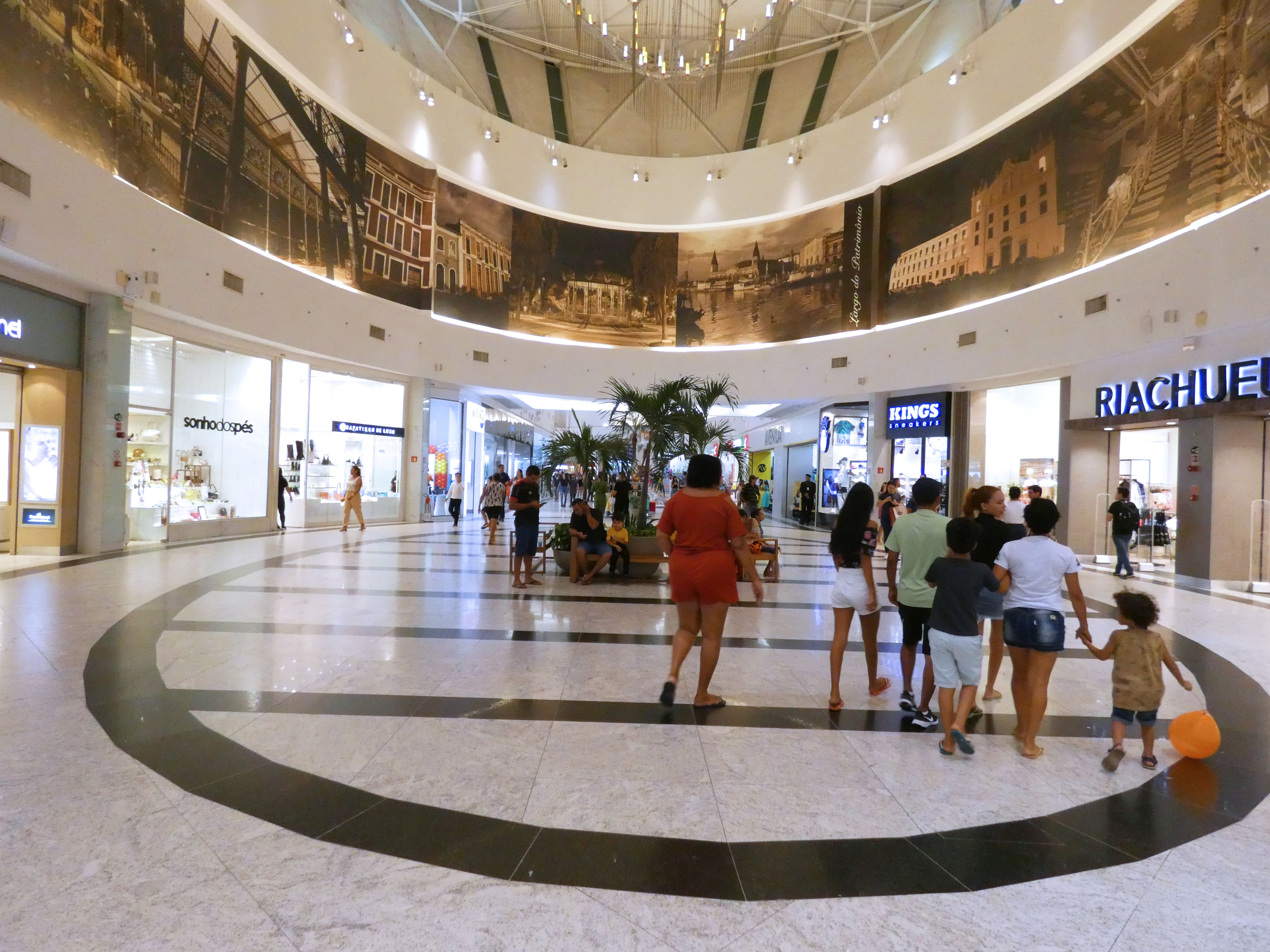
Another shopping center: Shopping Bosque Grão-Pará
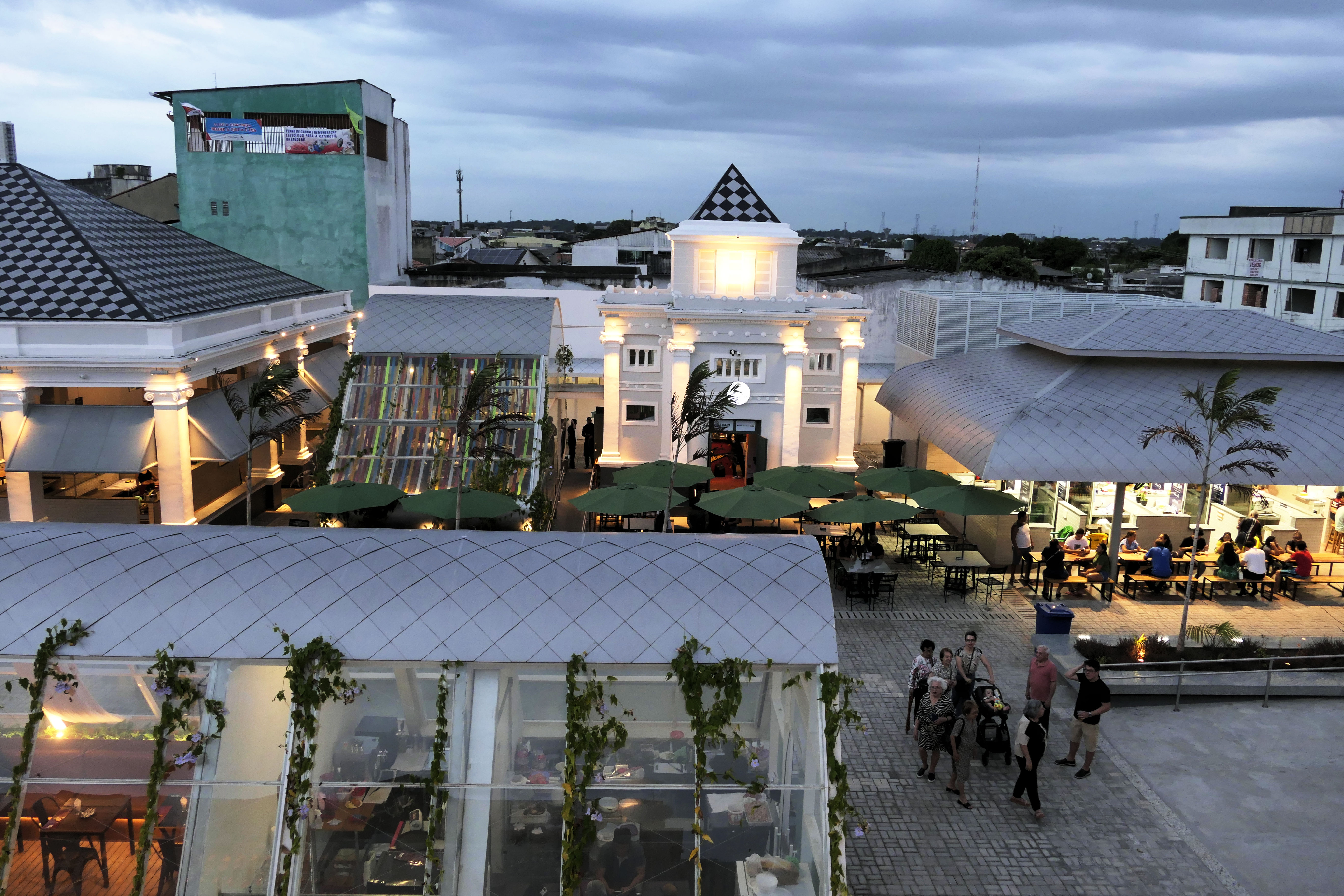
The Mercado de São Brás is a leisure complex built in the Venetian style, featuring numerous restaurants, markets, and shops — a meeting place for young and old alike.
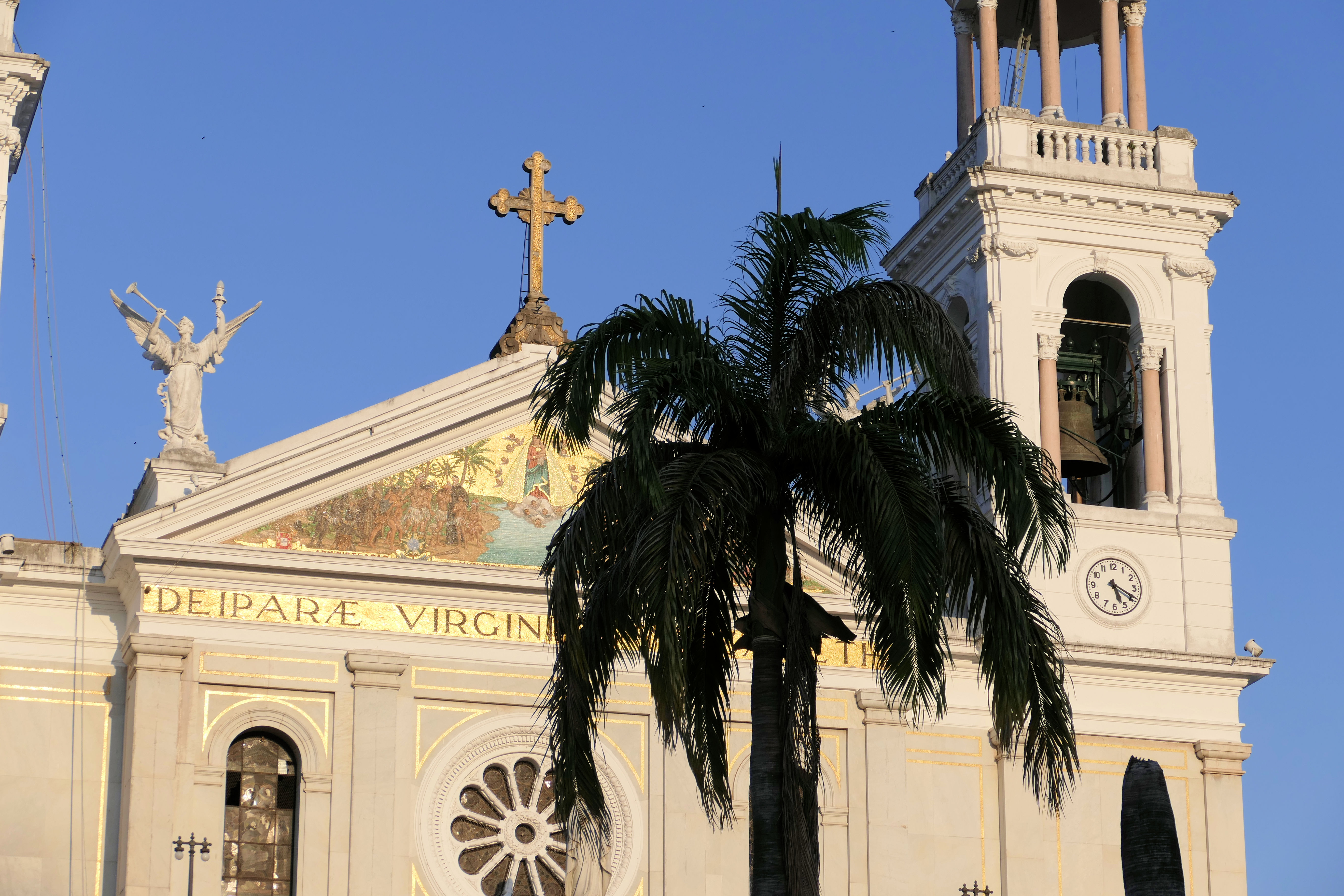
Basílica Nossa Senhora de Nazaré The Basilica of Our Lady of Nazareth is a church belonging to the Archdiocese of Belém do Pará and is dedicated to the Virgin Mary. The five-aisled church measures 204 feet in length, 79 feet in width, and 65,62 feet in height. The apse, housing the high altar, adjoins the transept directly. The two church towers reach a height of 138 feet and hold a peal of nine bells; the largest weighs 2.8 tons. The basilica's interior is defined by 32 solid granite columns and 54 stained-glass windows. The church is adorned with 38 mosaic medallions — each 5 feet in diameter — and 19 Carrara marble statues. The apse vault features a large fresco. The organ, with over 1,000 pipes, is played via three manuals. The basilica is the focal point of Brazil's largest religious festival, the Círio de Nazaré — celebrated since 1790 — which draws more than two million participants to Belém. During the Círio de Nazaré, on the second Sunday of October, the so-called pilgrim statue — a replica of the statue found by Plácido — leaves the Cathedral of Belém and travels in a procession to the large square in front of the basilica. The festival was inscribed on the Representative List of the Intangible Cultural Heritage of Humanity in 2013.
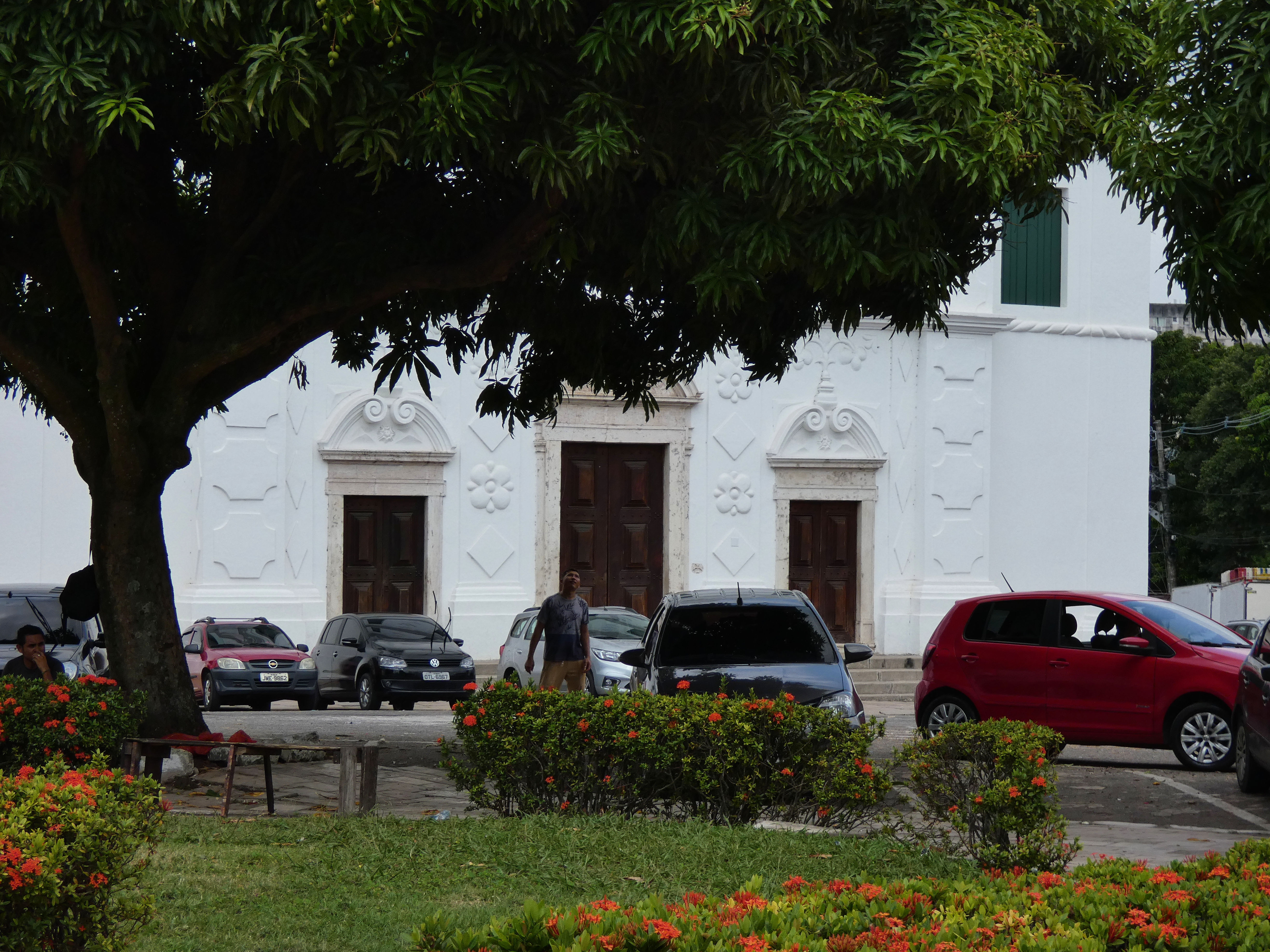
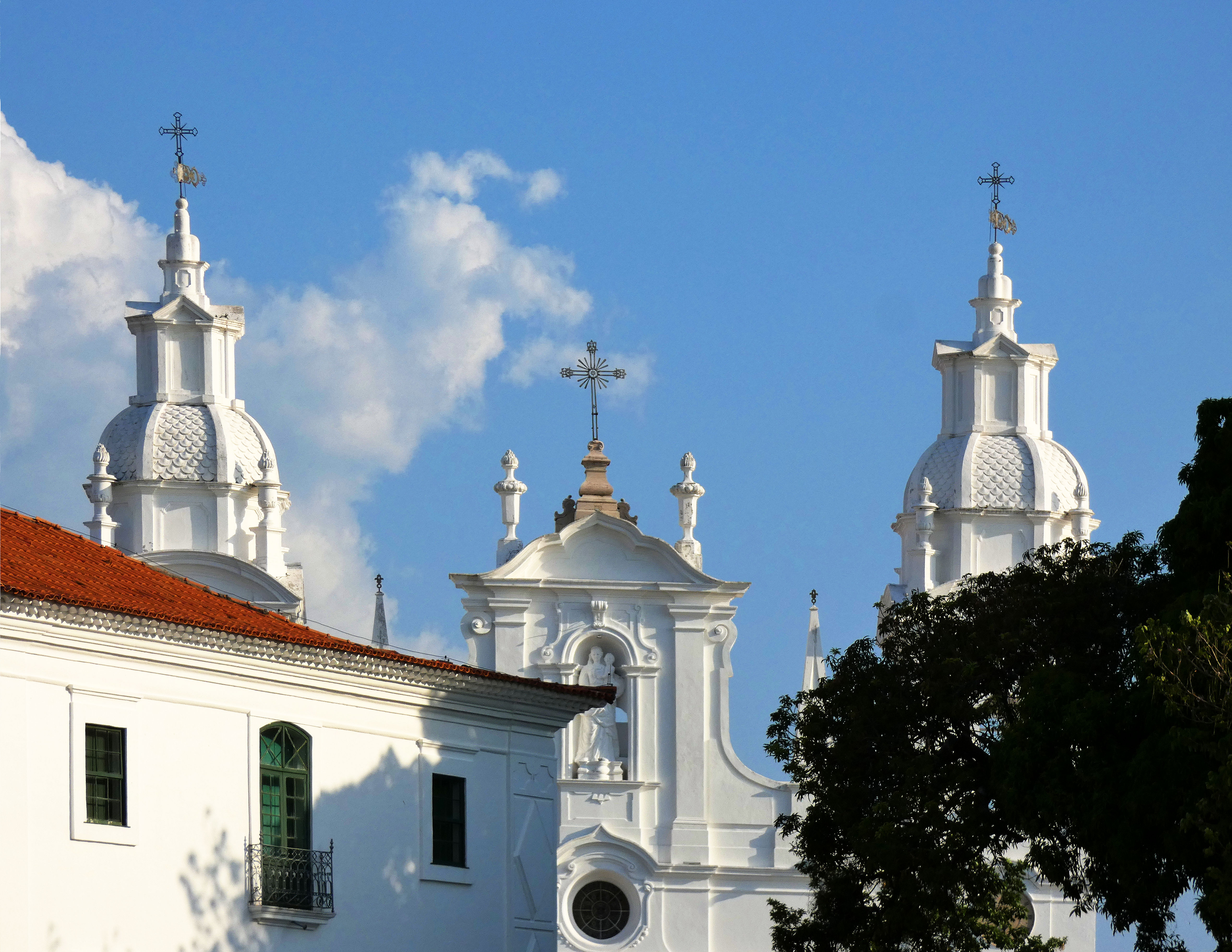
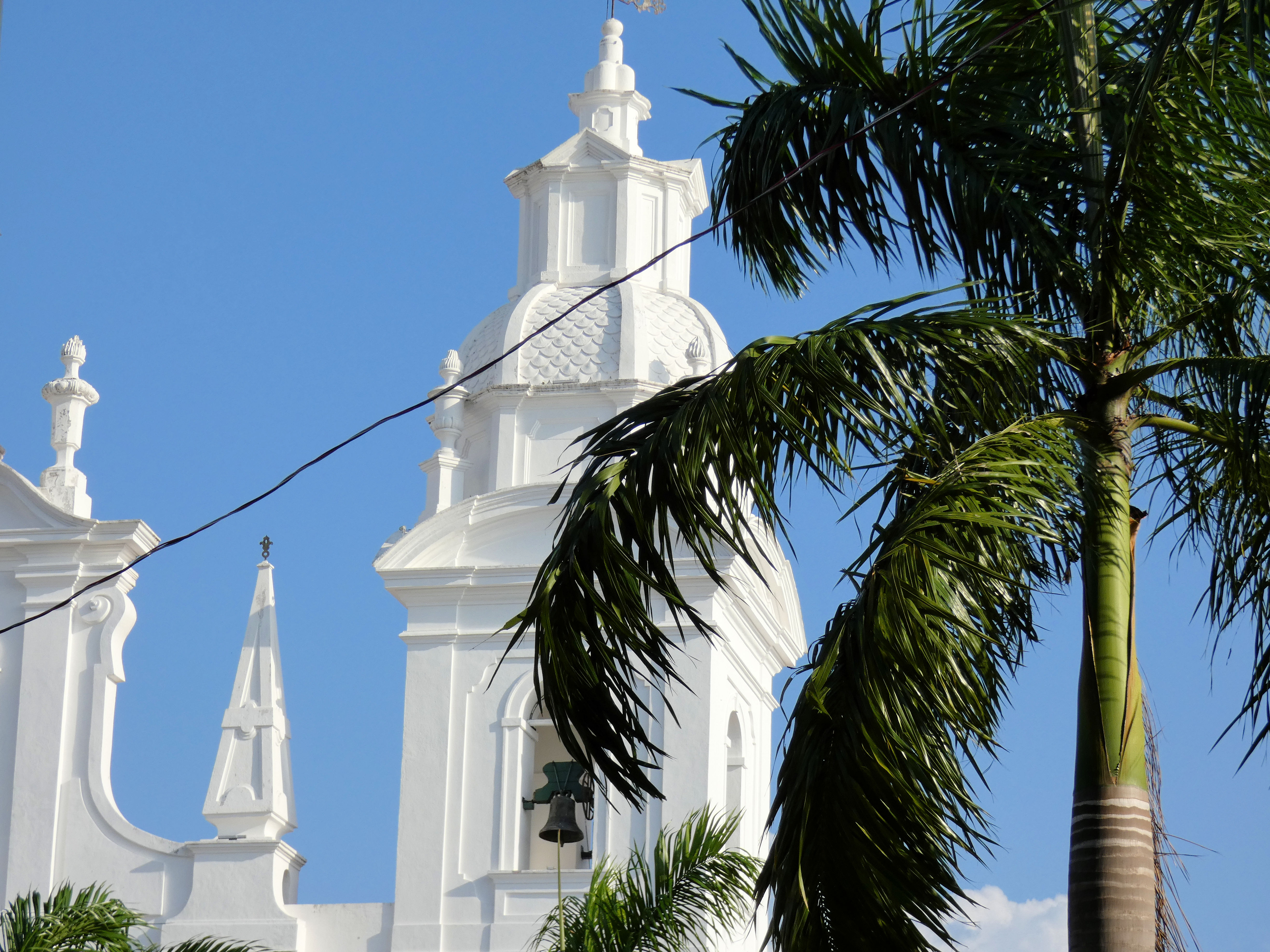
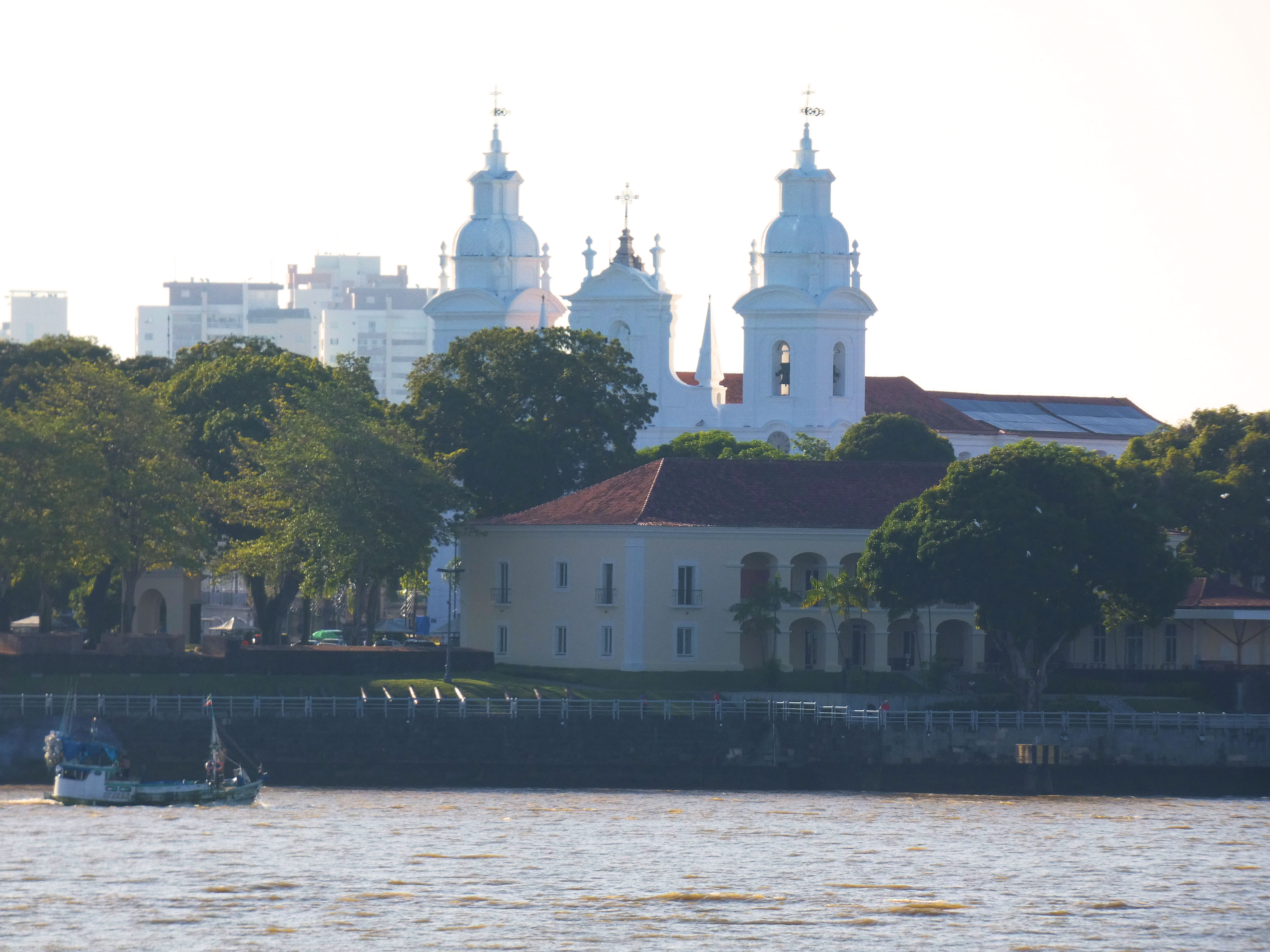
The Cathedral The Cathedral of Belém (Catedral Metropolitana de Belém or Sé Cathedral) — in my opinion, the most beautiful church in the city — is a historic church located in the Cidade Velha (Old Town) district. Construction began in 1748; situated right on the historic square next to the Forte do Presépio, it is renowned for its white Baroque façade and a large European organ.
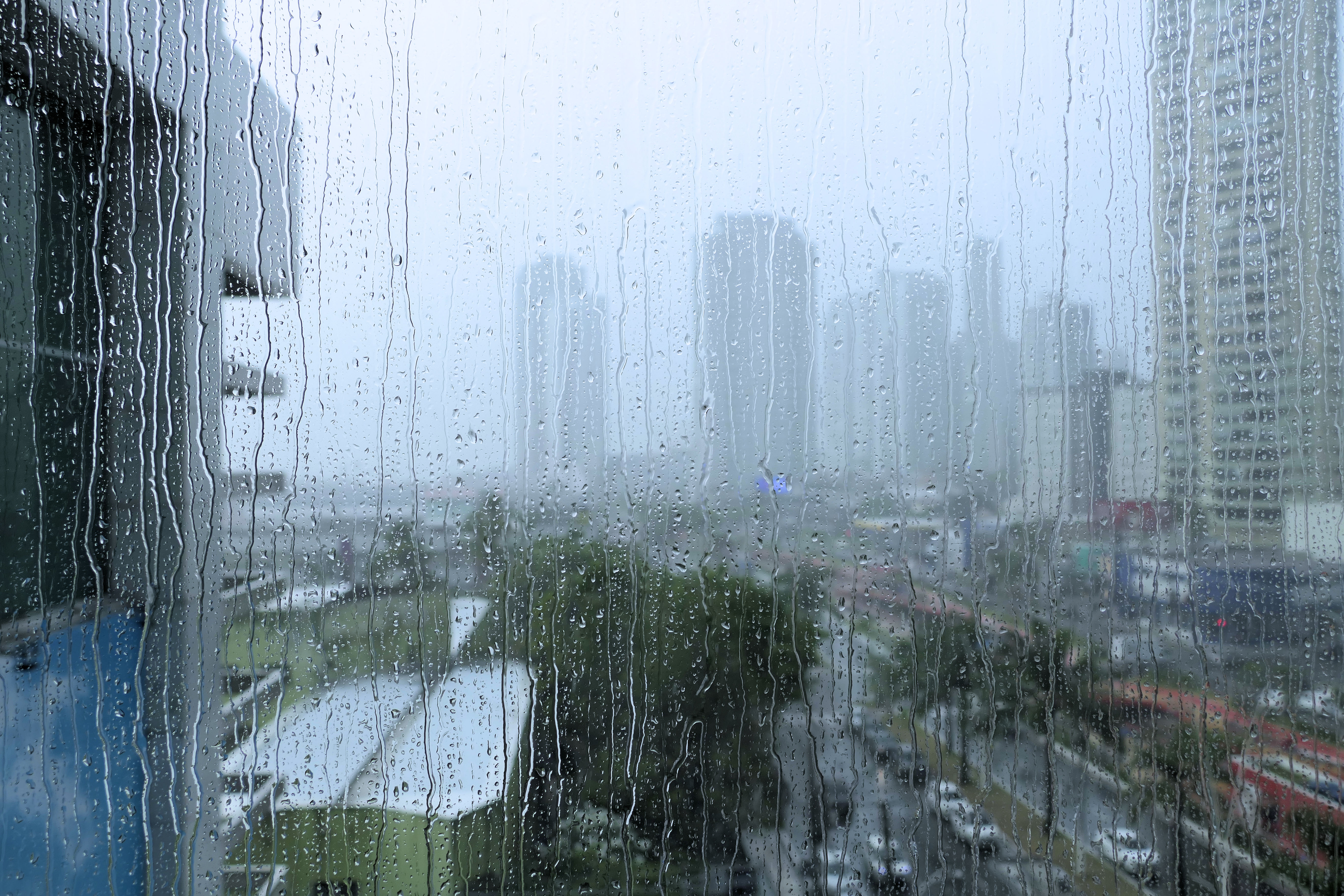
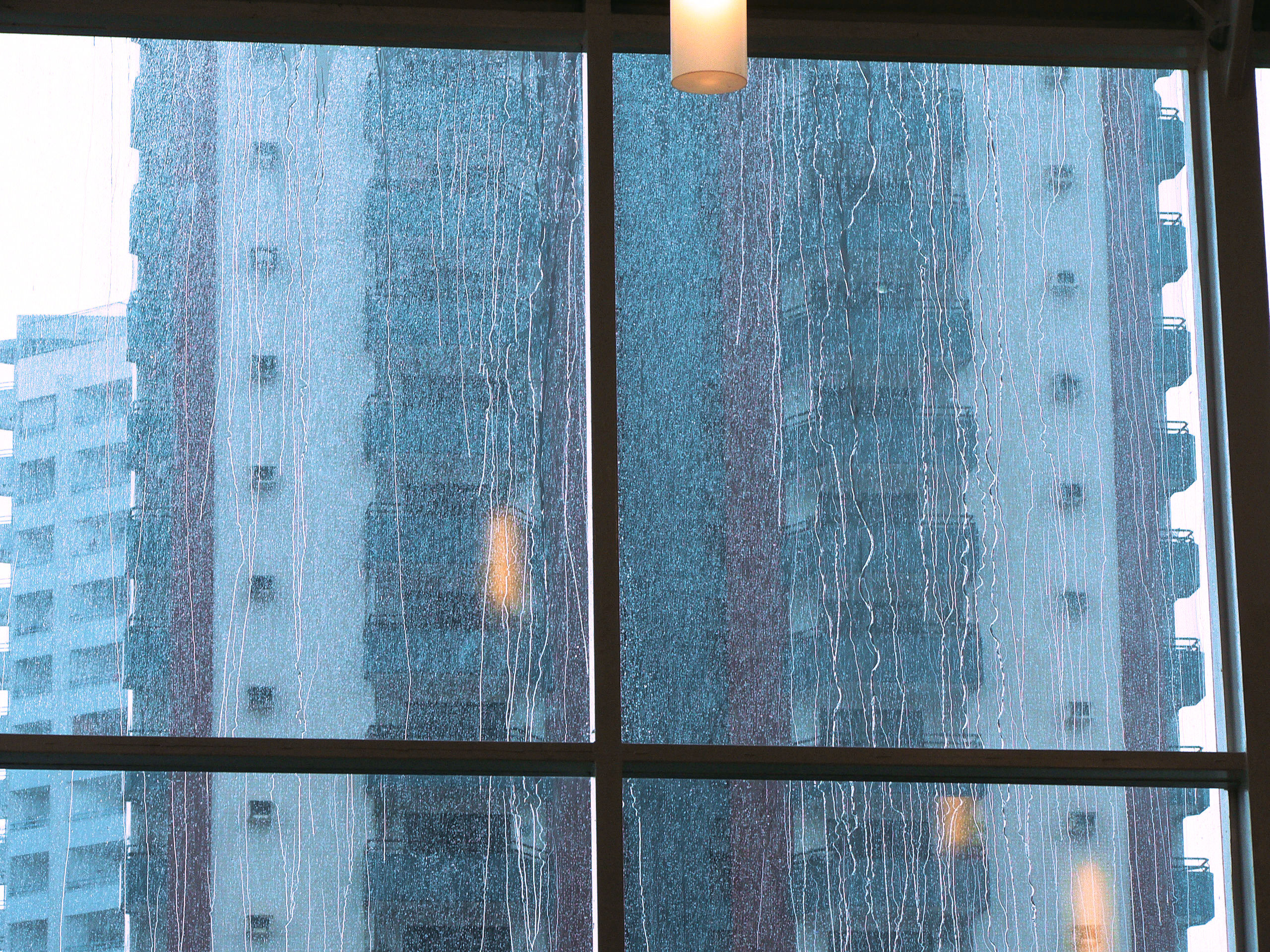
As in all major Brazilian cities, the social divide in Belém is enormous. During the late 19th and early 20th centuries, the rubber boom gave rise to a small, immensely wealthy upper class in Belém, possessing riches difficult to imagine in Europe. This elite modeled itself on the European aristocracy, wore Parisian haute couture, imported fine foods and other status symbols (such as automobiles), and strictly isolated itself from the indigenous and Afro-Brazilian populations as well as from the poorer strata of society (including the middle class). This local upper class often faces criticism — and rightly so — for its insularity (keeping to themselves, especially regarding marriage, etc.) and lack of solidarity. Unfortunately, I have personally witnessed members of this social stratum literally trampling on ordinary, poorer people, verbally abusing them, and treating them with arrogance — an anachronism in the 21st century! And then there are those from the middle classes who believe they must emulate this upper class by treating poorer people with even greater arrogance and condescension, in order to demonstrate — to themselves and others — that they belong to the upper echelons of society. Discrimination is also directed against newcomers — mostly poor people from the neighboring state of Maranhão (São Luís) — who come to Pará from the arid regions of the Northeast. To wrap things up, one more thing in Belém that is unpleasant for me: It is raining an awful lot! It stands to reason that — as the name implies — it rains heavily in or near the rainforest. That is a good thing, both for nature and for the climate. But for me, personally: it simply rains too much!
This article has two pages. Here is page 2. > Back to page 1 or > Paintings from the 70s to the present in specific time periods
ALL IMAGES AND SITE CONTENT © WOLFGANG HOCK |
|||