This article has two pages. Here is page 1. See also > Page 2 Text and photos by Wolfgang Hock 2026
Can you guess this city? Here's another tip: It is located on a very large river.
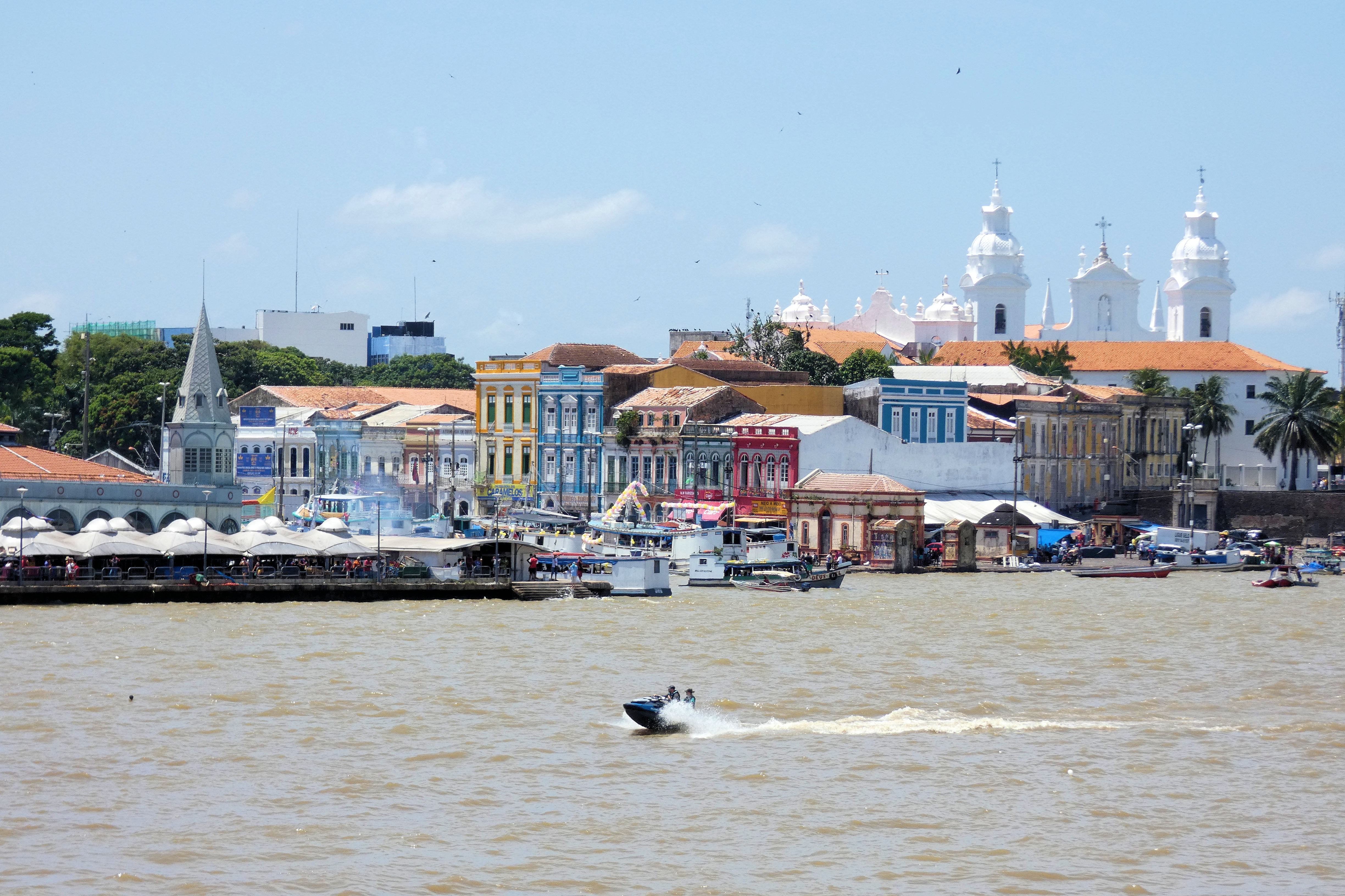
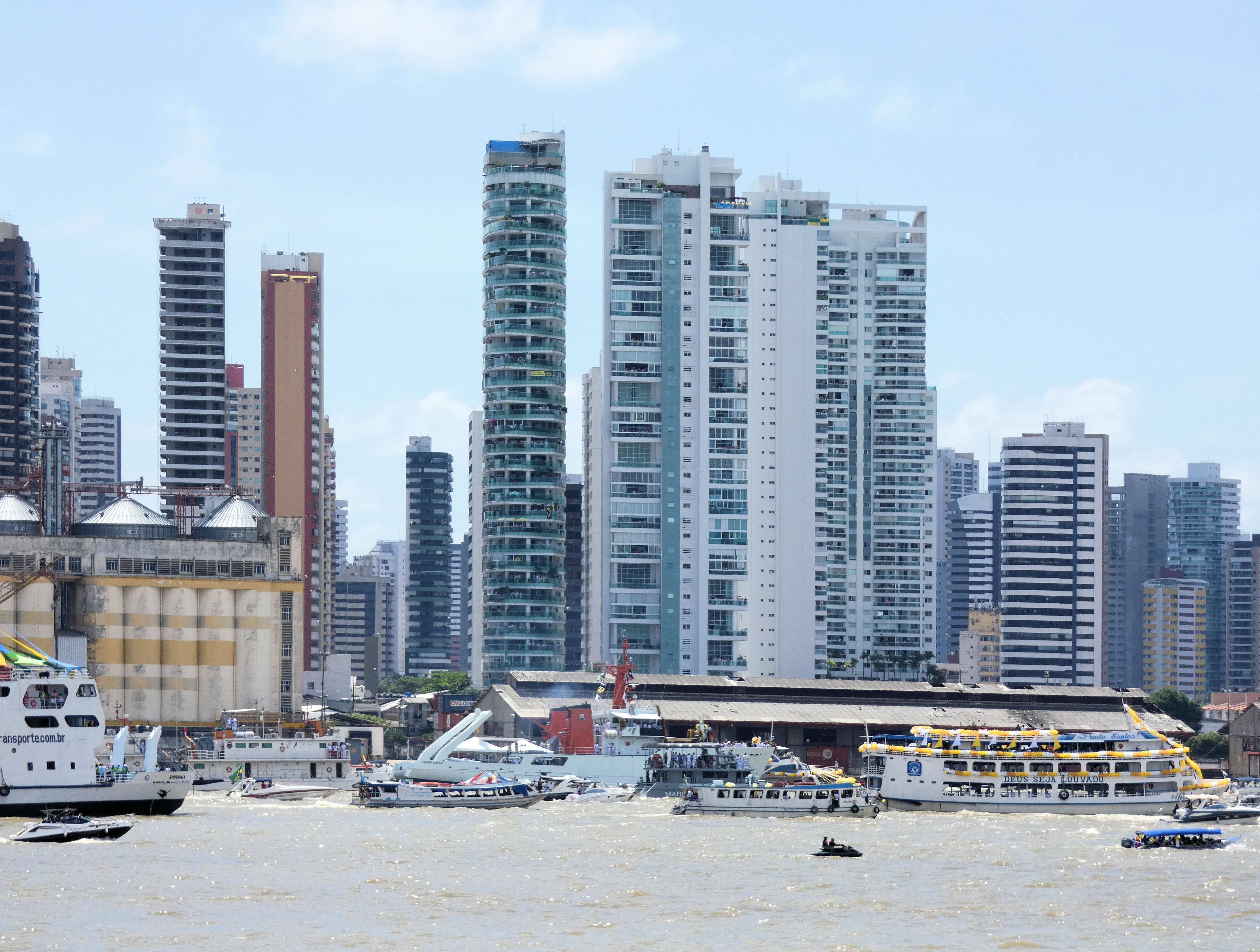
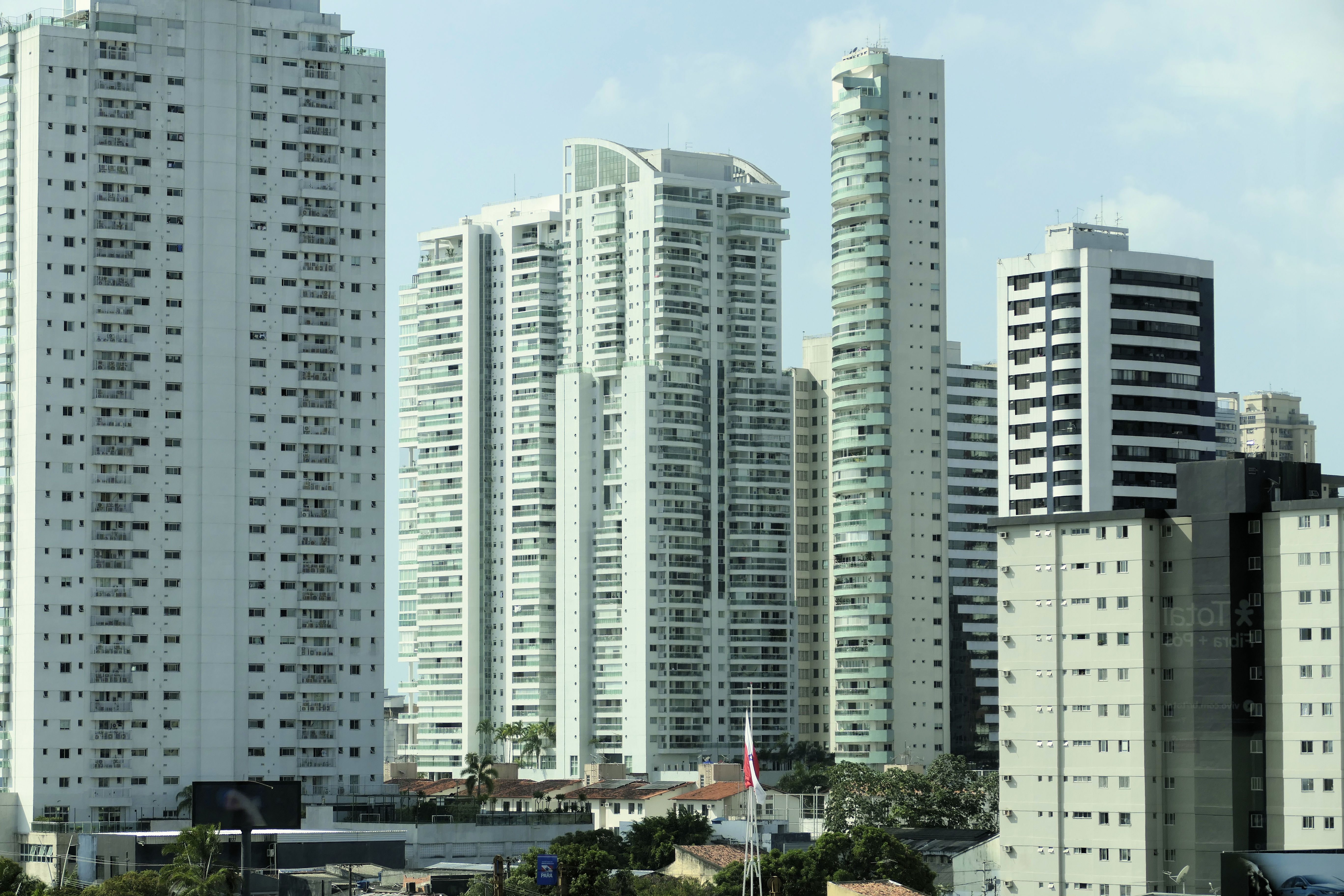
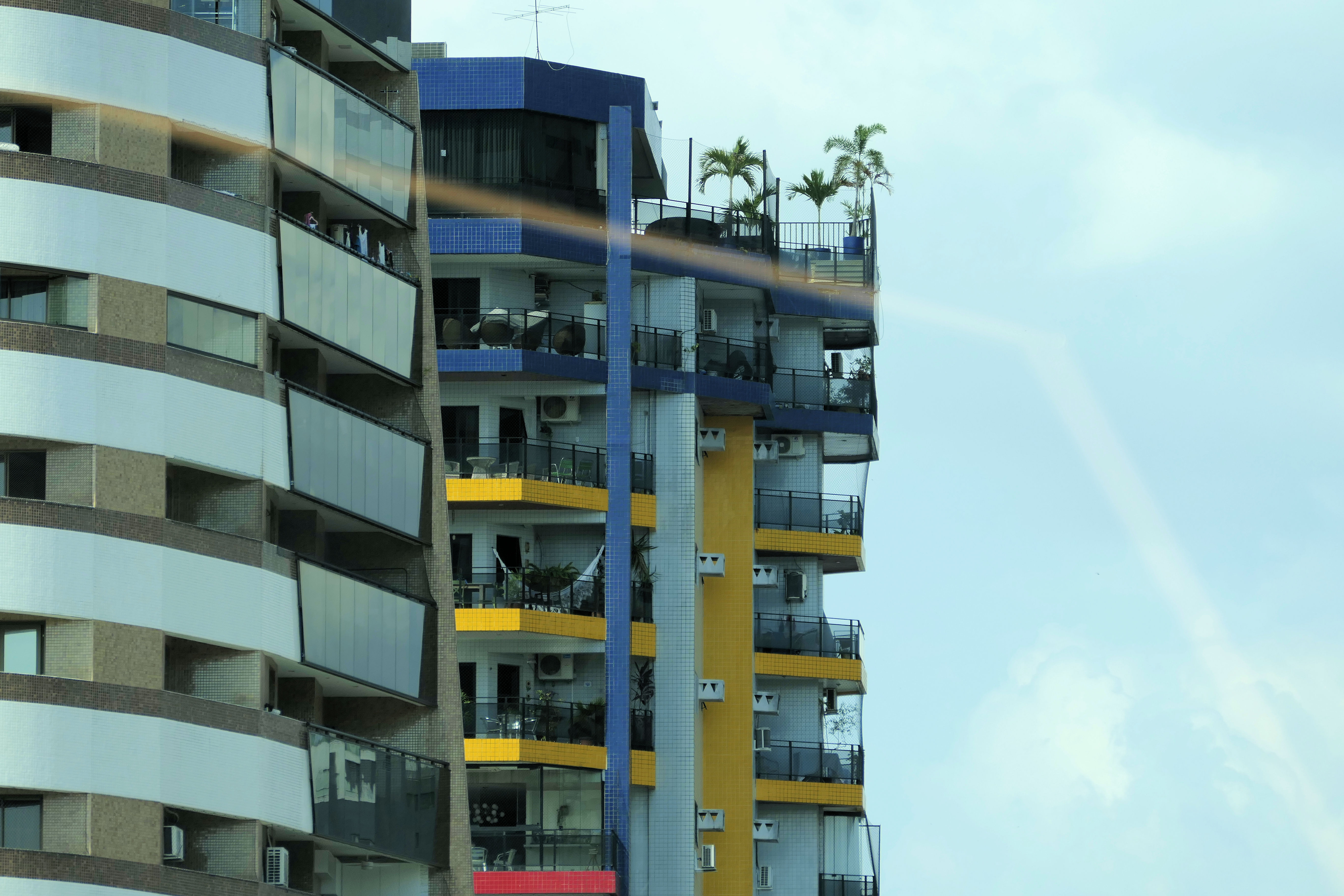
As you can see from my many paintings, Venice used to be my favorite city. Although this city is located in the so-called New World, it does remind one a little of Venice. But it has a very modern section with many very high stylish apartment towers:
Although I was born in a small city (Bamberg in Germany), I have always admired big cities and visited them from a young age. First, the Italian cities (Florence, Venice, Rome, Naples...), then London, and later — above all — New York, have always fascinated me. And now, have you recognized this city — my favorite city?
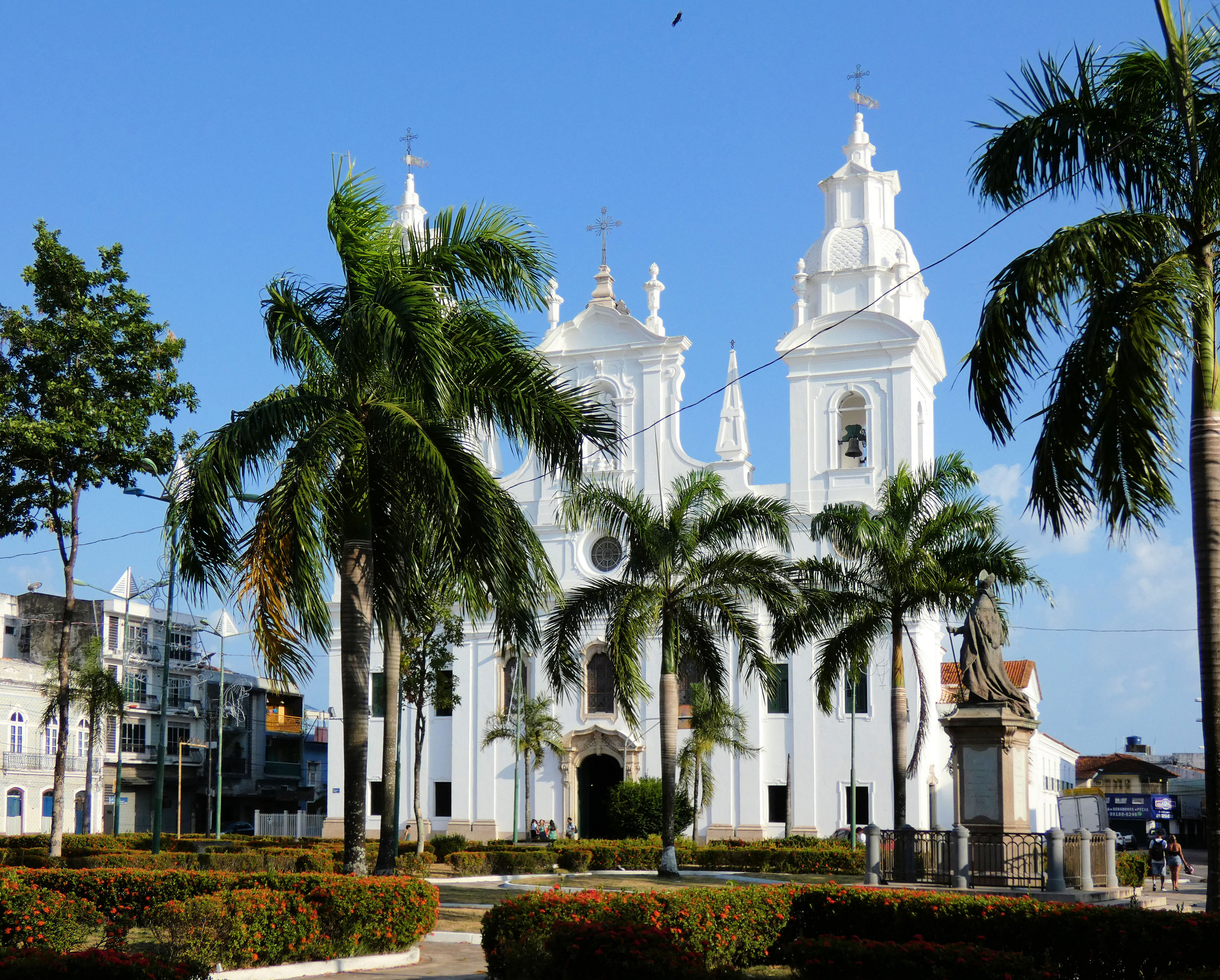
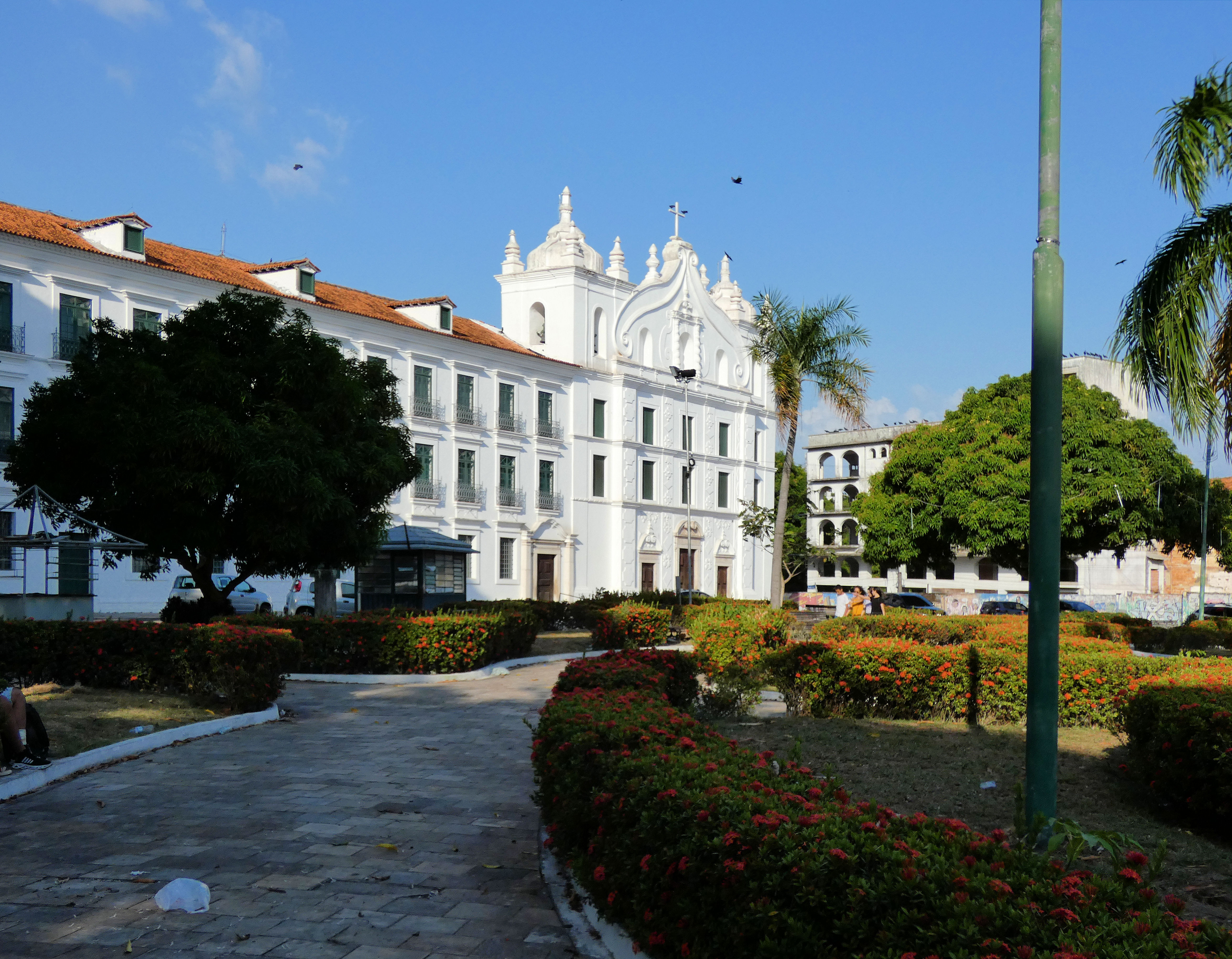
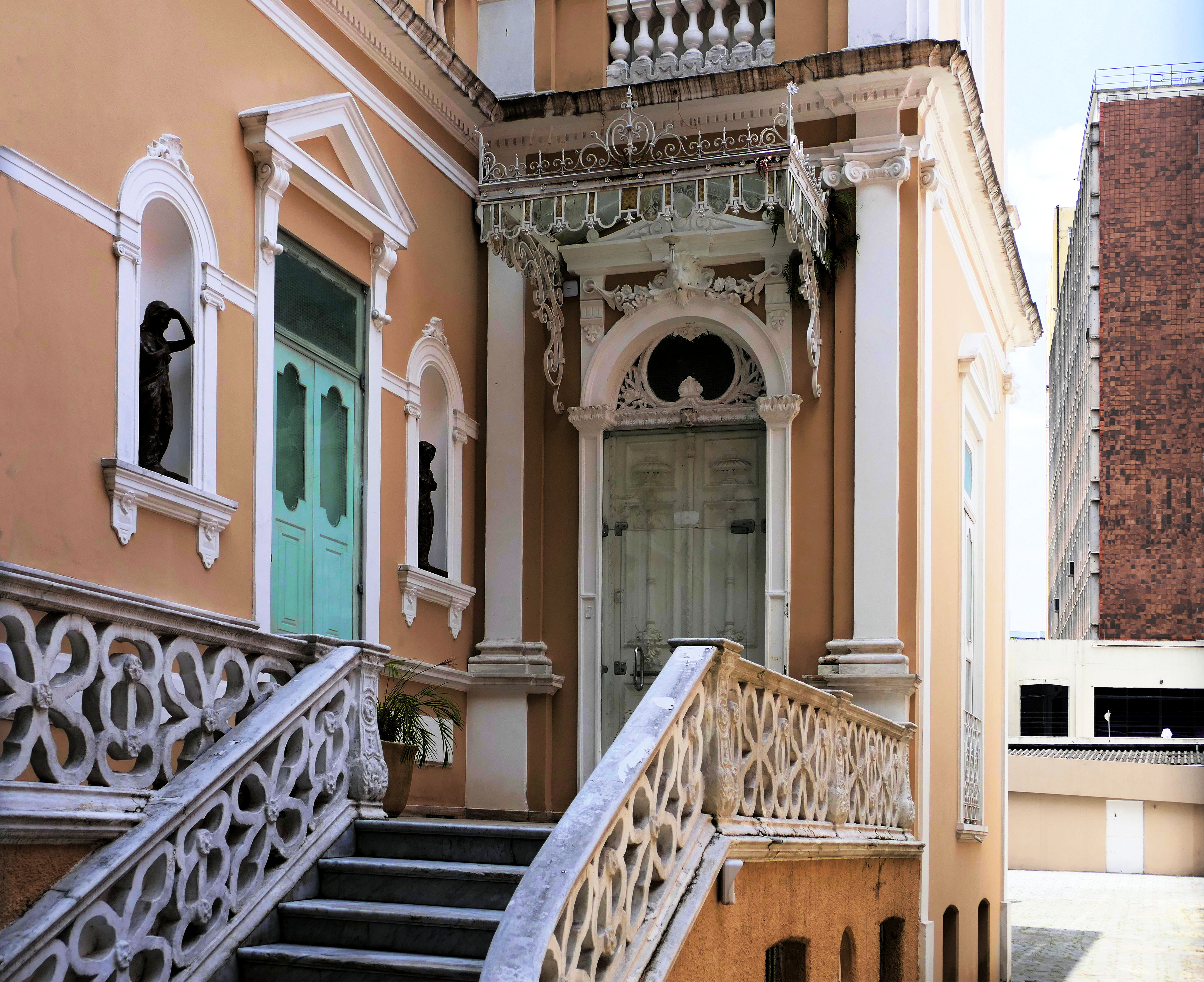
It is situated at the mouth of the Amazon River where it flows into the Atlantic. A delta-like formation exists there, featuring Marajó — the world's largest river island. It is a major city in northern Brazil with a population of 1.5 million, seamlessly merging with neighboring cities to form a metropolitan area with a total population of approximately 2.5 million. That’s why I call the city my "New York on the Amazon". Well, so as not to keep you in suspense for too long: it is Belém. But not the district of Lisbon in Portugal; rather, the capital of the state of Pará in northern Brazil — the area where the Amazon rainforest lies further inland. As the economic and cultural gateway to the Amazon rainforest, the capital of the state of Pará combines a striking skyline of skyscrapers with the wild, untamed nature of the world's largest river system. The city looks back on a golden era of the rubber boom and today blends modern urban dynamism with deeply rooted indigenous and colonial traditions. Much like New York, Belém attracts people from a wide variety of cultures; here, European colonial architecture (Portuguese), indigenous traditions, and Afro-Brazilian influences mingle with modern North American high-rise culture. Despite its urban density, the city is lined with centuries-old mango trees that provide natural shade for the streets. I am afraid I have to disappoint those who might think that Manaus — the better-known city in the heart of the Amazon region (with a population of 1.8 million) — is close to Belém: the two cities are away about 808 miles airline-distance, and roughly 1,870 miles by car, involving a drive of at least 60 hours (!) along the Trans-Amazonian Highway (BR-230). Why is Belém underestimated? It is hard to explain, given that Belém is the far more beautiful and diverse city. Manaus is simply viewed as the gateway to jungle adventures because it lies in the middle of the rainforest, whereas Belém is on the edge.
When I speak about Belém in Germany, most people don't realize which city I'm referring to. At first, they often think I mean Berlin (!), because, on the face of it, the pronunciation sounds so similar. It’s incredible, but it happens all the time. So little known is this city — within and outside Brazil. Many people here in Germany are not even aware that there are complex cities with populations in the millions in the Amazon region. They believe there are only small Indigenous settlements in the middle of the rainforest, far removed from any Western civilization. What a misconception! When people talk about Brazil, most just think of Rio de Janeiro and the clichés associated with it. Let the tourists go there and leave my city alone. Even São Paulo — Brazil’s largest city with 15 million inhabitants and one of the most populous cities in the world (!) — is relatively unknown in Germany. Incidentally, there is no city in the world that is home to more German industrial companies than São Paulo. Not even in Germany itself! Incredible, but true. I realize that, with my photos and text, I am essentially promoting Belém. However, that is not my intention. I want Belém to remain as it is — or to continue developing just as it has been. It should remain a hidden gem. I do not want to draw masses of tourists to Belém (like in Venice).
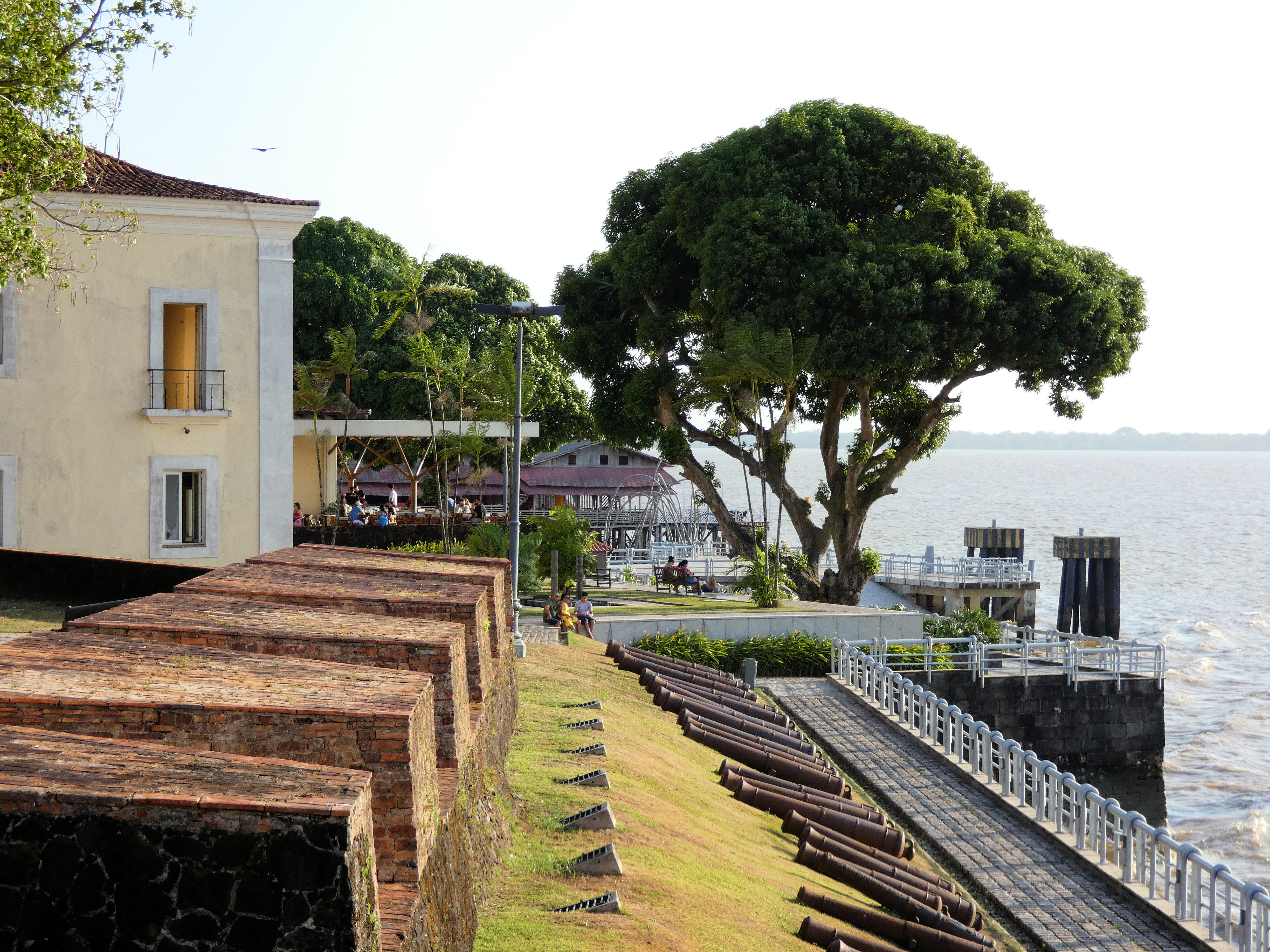
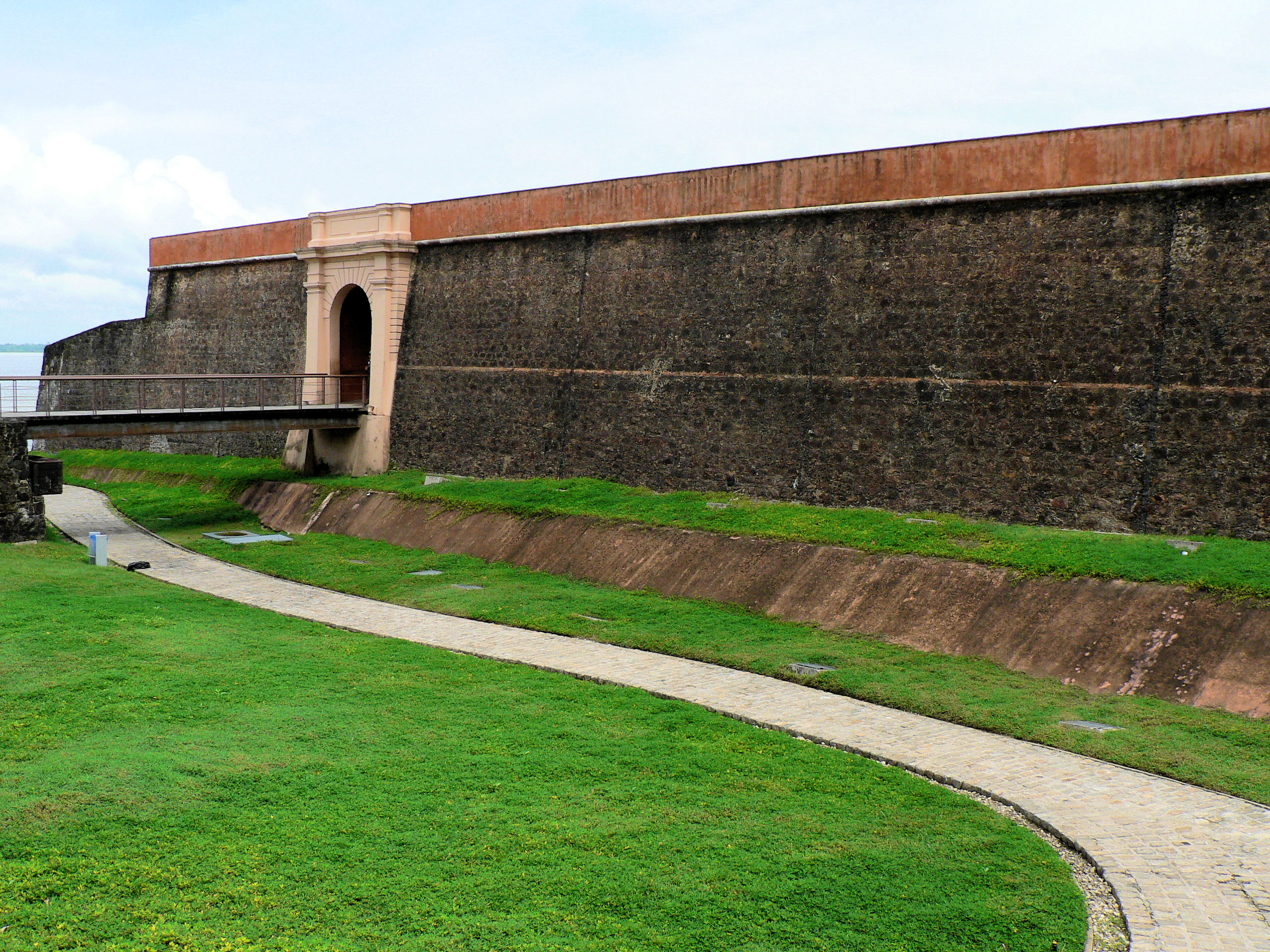
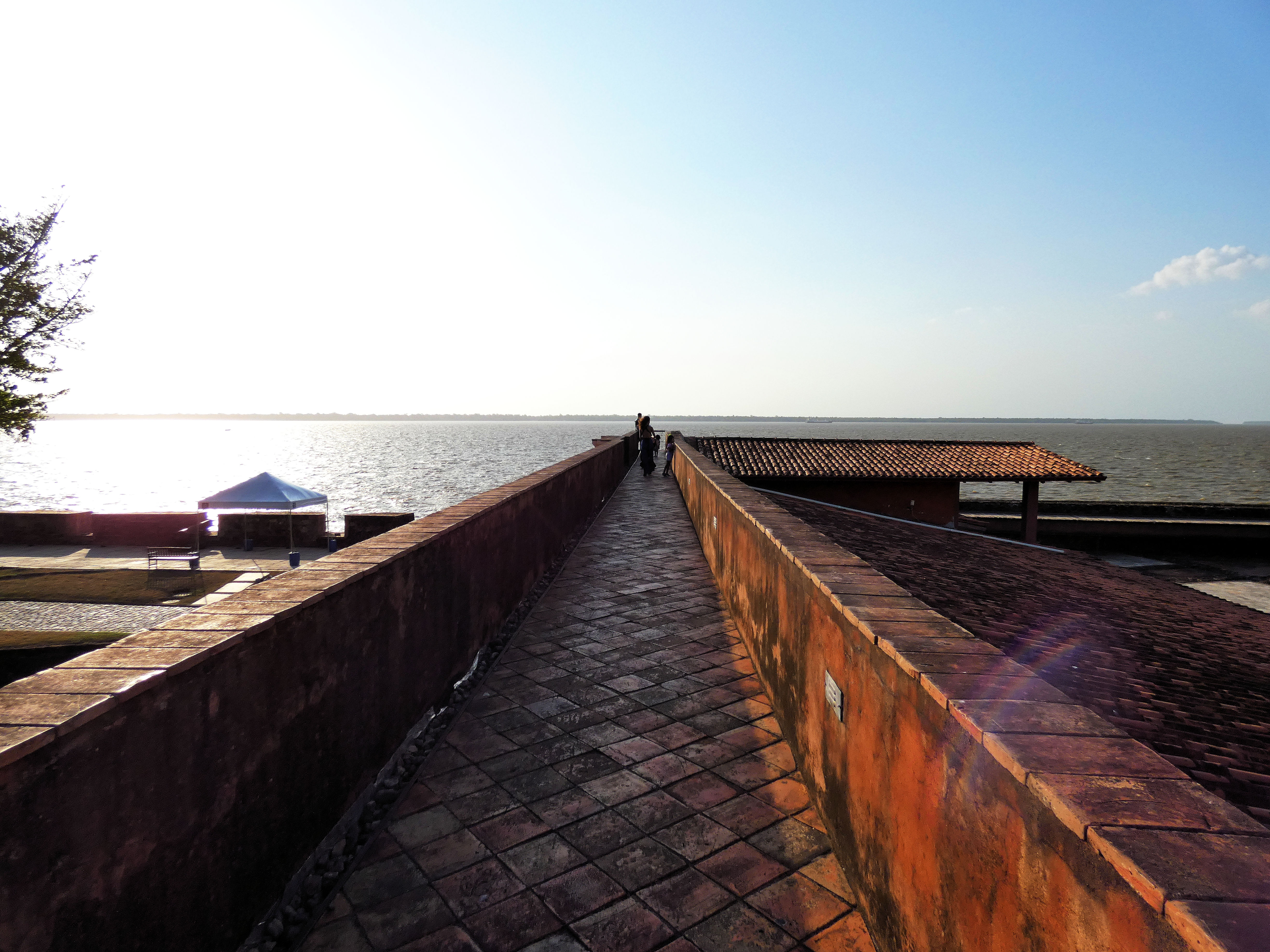
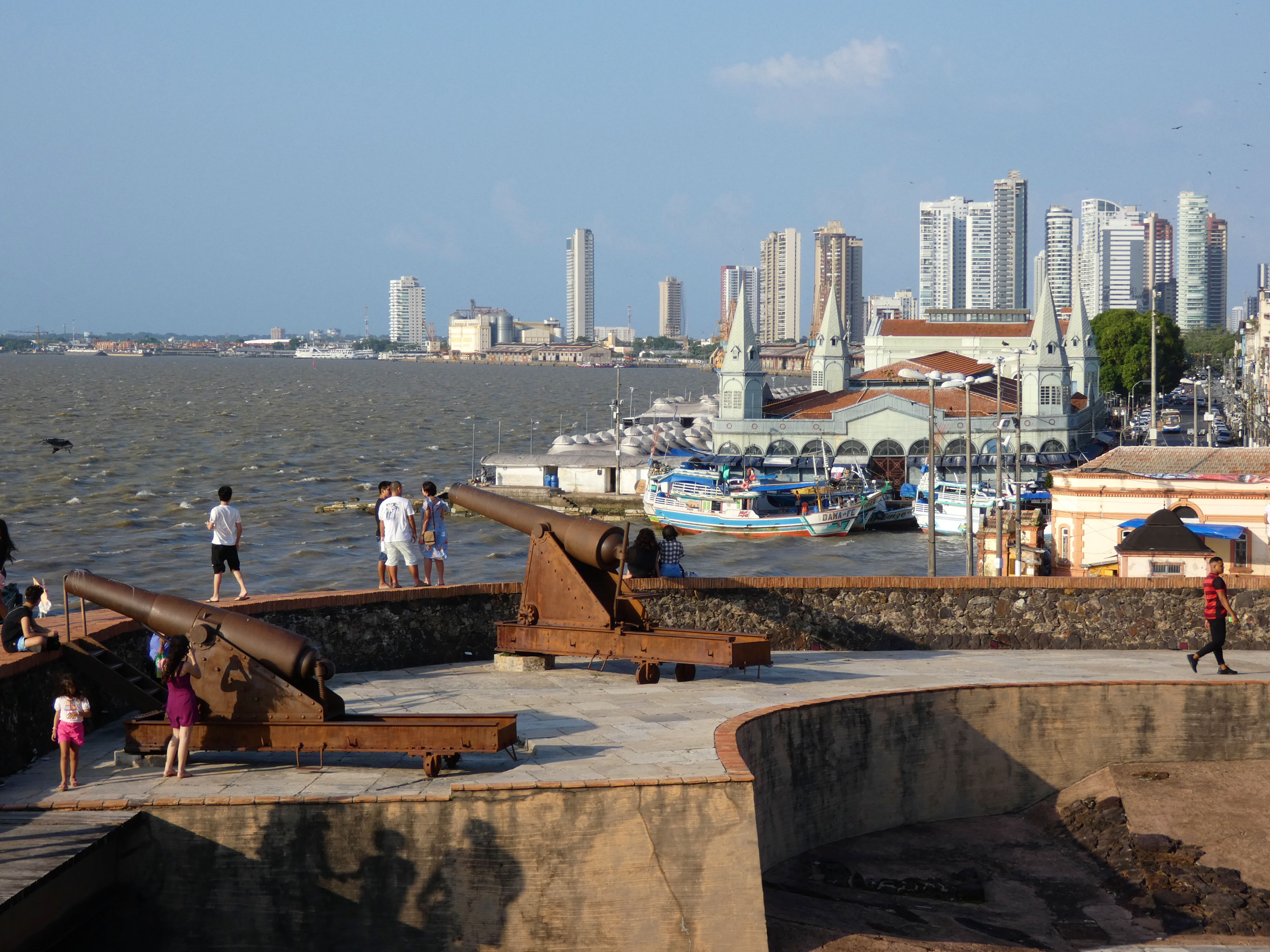
Forte do Castelo built in 1616 to protect the entrance to the eastern Amazon region from European invaders. It was at this very spot that the founding of the city of Belém also took place.
Just recently (in November 2025), the metropolis found itself in the global spotlight as the host of the UN Climate Change Conference (COP30). Selecting Belém as the venue for this gathering of prominent politicians, dignitaries, and scientists from around the world was no easy task; whenever an international event takes place in Brazil, Rio de Janeiro usually claims it as a matter of course. It took a hard-fought battle to ensure the event remained in Belém. And then there was this: German Chancellor Friedrich Merz once again couldn't hold himself back, sparking significant diplomatic friction and criticism in November 2025 with disparaging remarks about the Brazilian city of Belém. After returning from the climate conference, Merz spoke at a trade congress in Berlin about his impressions of the Amazonian metropolis — a city he characterized as defined solely by poverty. He recounted publicly how he had asked the journalists accompanying the delegation which of them would like to stay in that "location" (Belém). When no one raised a hand, he added that everyone was glad to return to Germany that night. In closing, he emphasized that in Germany, one lives in "one of the most beautiful countries in the world." What unnecessary, nonsensical, and absurd talk! Brazilian President Lula da Silva reacted with humor and mockery. He retorted that Merz should have visited a local bar in the state of Pará instead — danced and tried the food. Then he would have realized that Berlin doesn't offer even 10 percent of the quality of life found there. I couldn't agree more! The Brazilians had likely assigned the German Chancellor an interpreter of German descent from southern Brazil (Paraná or Santa Catarina) — believed to speak and understand German better — for his brief one-day visit; this interpreter then expressed his own prejudiced, discriminatory views regarding Brazil’s North and Northeast, portraying the region as if it were defined solely by poverty and underdevelopment. And Friedrich Merz believed all of that completely uncritically! Unfortunately, a large proportion of Brazilians of German descent from southern Brazil hold deeply racist and arrogant attitudes — even harboring fascist-leaning beliefs. Many of them have relatives who fled to Argentina (Buenos Aires) and Brazil after World War II because they could not remain in Germany due to their Nazi pasts (such as Adolf Eichmann, to name the most notorious example). They diligently propagated their ideology, with consequences that persist to this day. The South (states such as Rio Grande do Sul, Santa Catarina, and Paraná) and the Southeast (São Paulo, Rio de Janeiro) are historically more industrialized and wealthier. Many residents of these regions mistakenly view the South as the "engine of the country" and dismiss the North and Northeast as an economic burden or "backward." Southern Brazil experienced significant waves of immigration from Europe (including Germans, Italians, Poles, Ukrainians, and Russians) during the 19th and 20th centuries and has a large white population. Due to historical factors, the Northeast and North have much higher proportions of Indigenous people and descendants of enslaved Africans. Regional prejudice is therefore inextricably linked to structural racism — the North is "unconsciously" equated with ethnic minorities and poverty. I know what I’m talking about: I lived in Curitiba, Paraná, for five years (1996–2001) and witnessed this veneration of the Nazi regime on several occasions. Unfortunately, it is still very widespread there. That is also why the "Bolsonaro" family clan — with its fascistoid tendencies — is held in such high regard there. Unfortunately, even in Belém, there are many people who vote for and support the Bolsonaro family clan, defending it fanatically against any attacks — whether real or perceived. Entire families have suddenly become divided, with individual family members no longer speaking to one another. This is difficult to comprehend, given that this very political faction discriminates against Brazilians from the North and Northeast, branding them lazy, uneducated, and backward. Do they feel compelled to imitate people from the South? In doing so, they are merely discriminating against themselves. The North (the Amazon region) is often rendered completely invisible or exoticized by the South. People from the region are portrayed as living in the jungle or as isolated, and their rich culture is frequently ignored in the national discourse of the South.
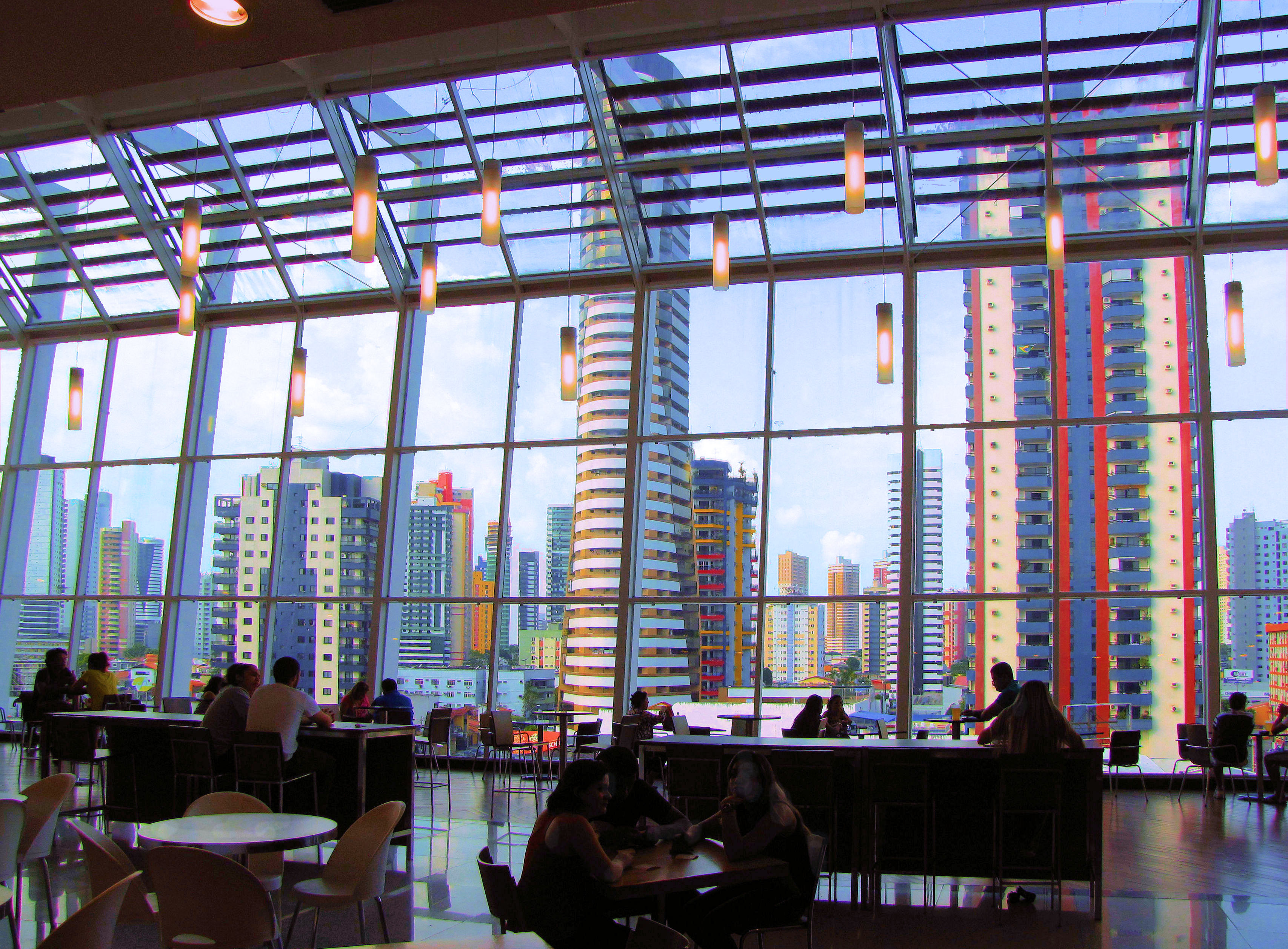
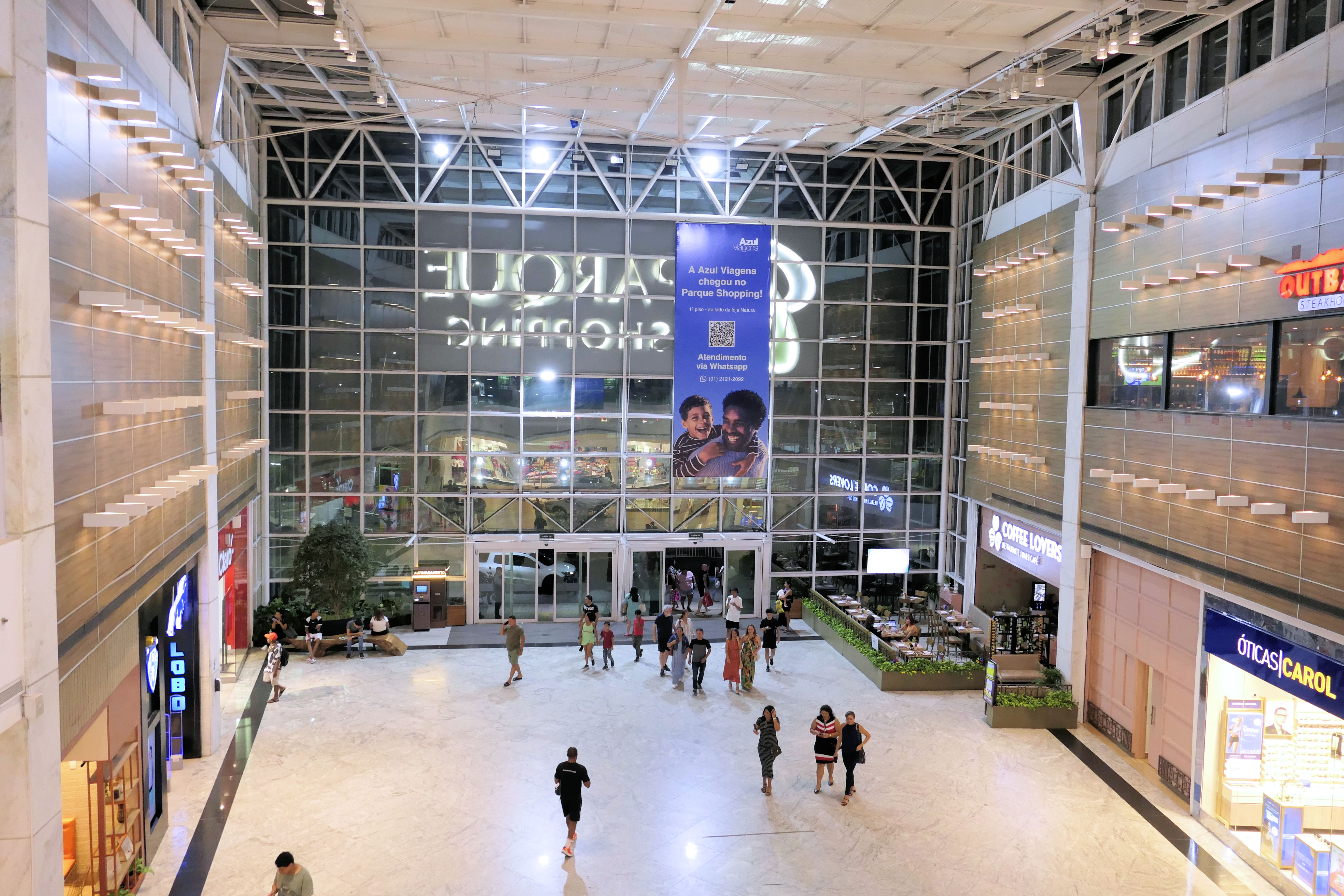
Like all Brazilian metropolises, Belém has many big and very modern shopping centers.
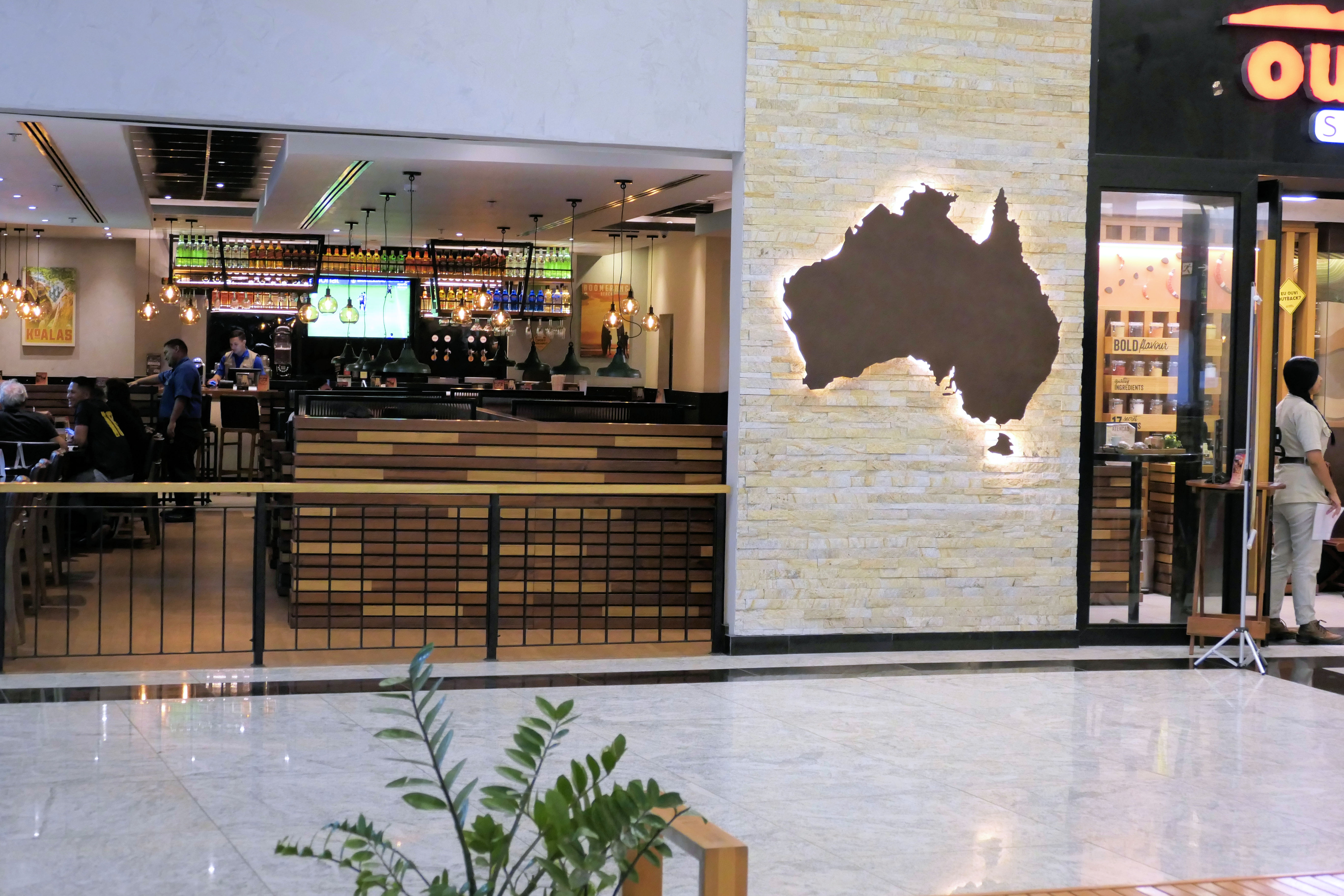
Belém is international: Here is an excellent Australian restaurant.
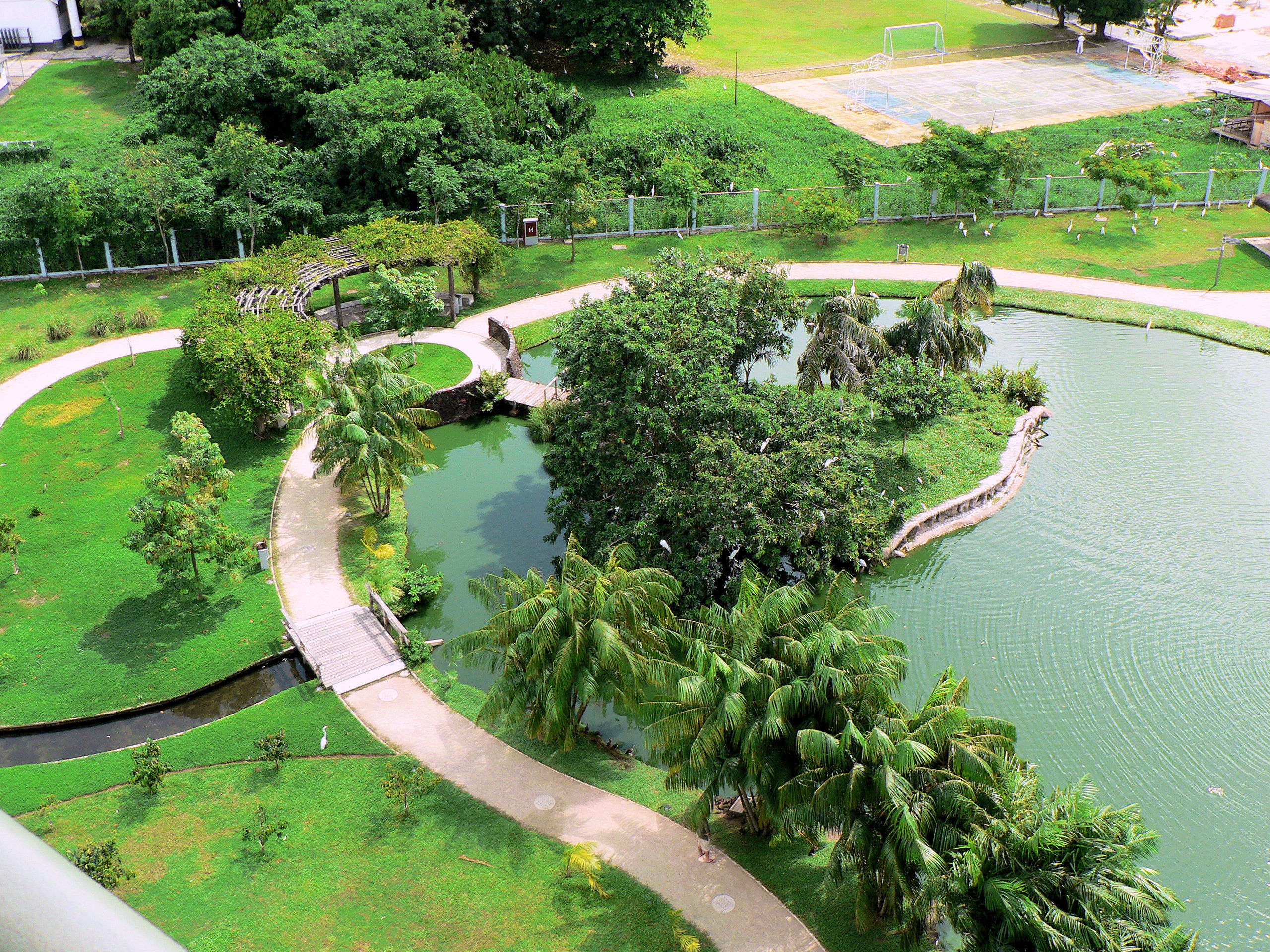
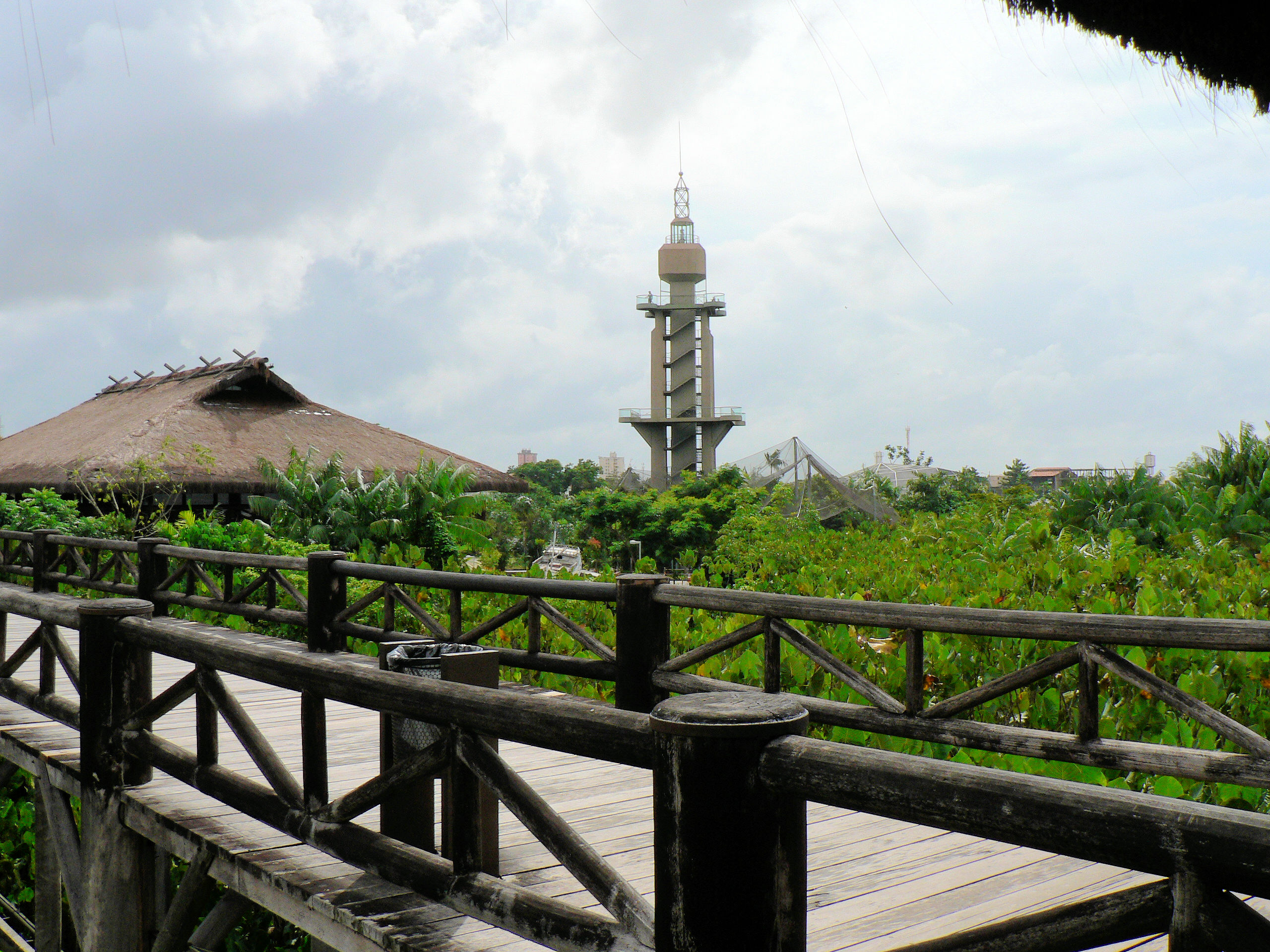
There are many beautiful public parks rich in nature right in the middle of the city. Here is one of them: Mangal das Garças, with its mangrove forest. These are salt-tolerant trees and shrubs that grow along tropical and subtropical coasts and in river deltas. They form dense forests in the intertidal zone, where they withstand the daily ebb and flow of the tides as well as salty, brackish water.
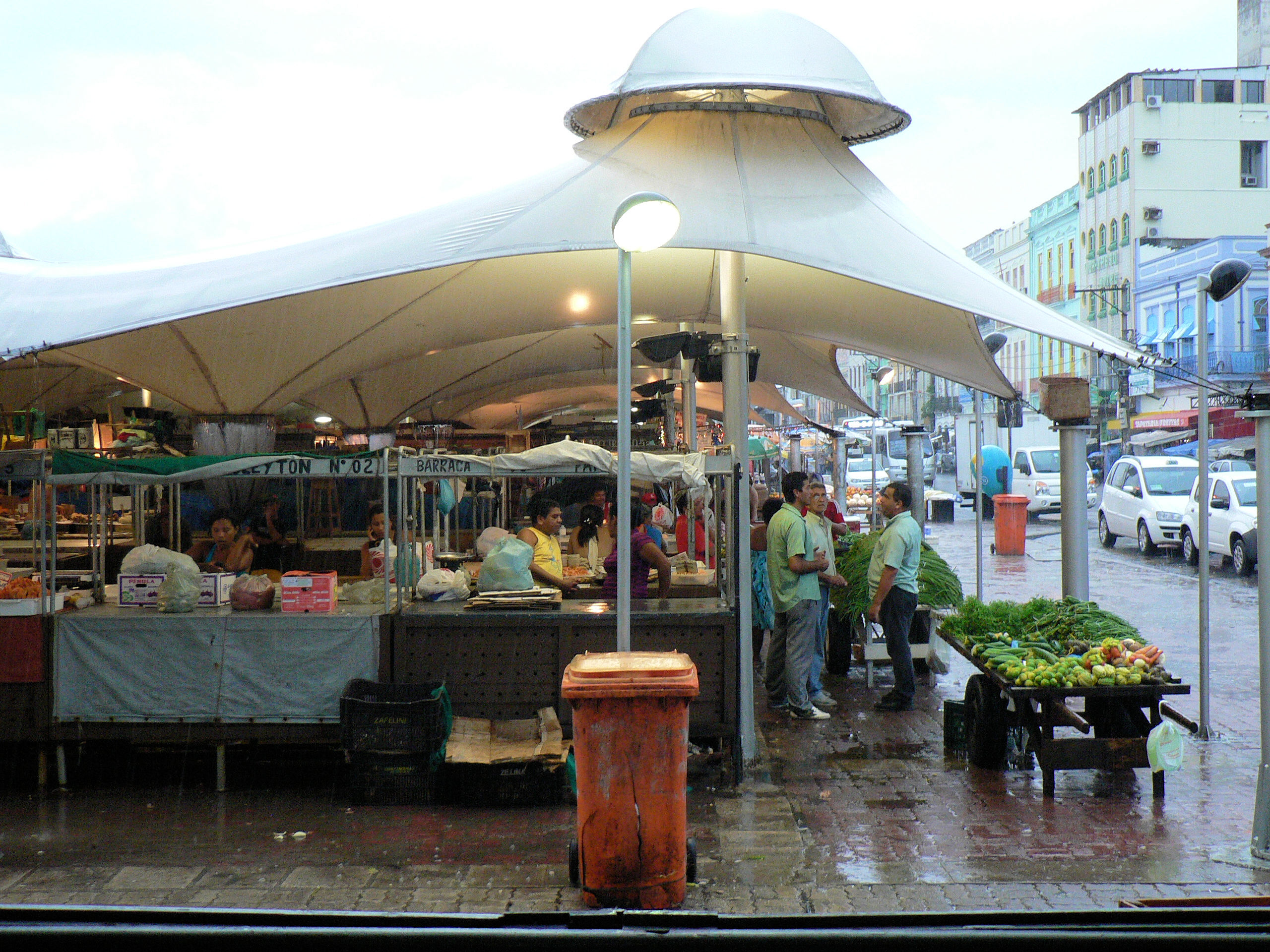
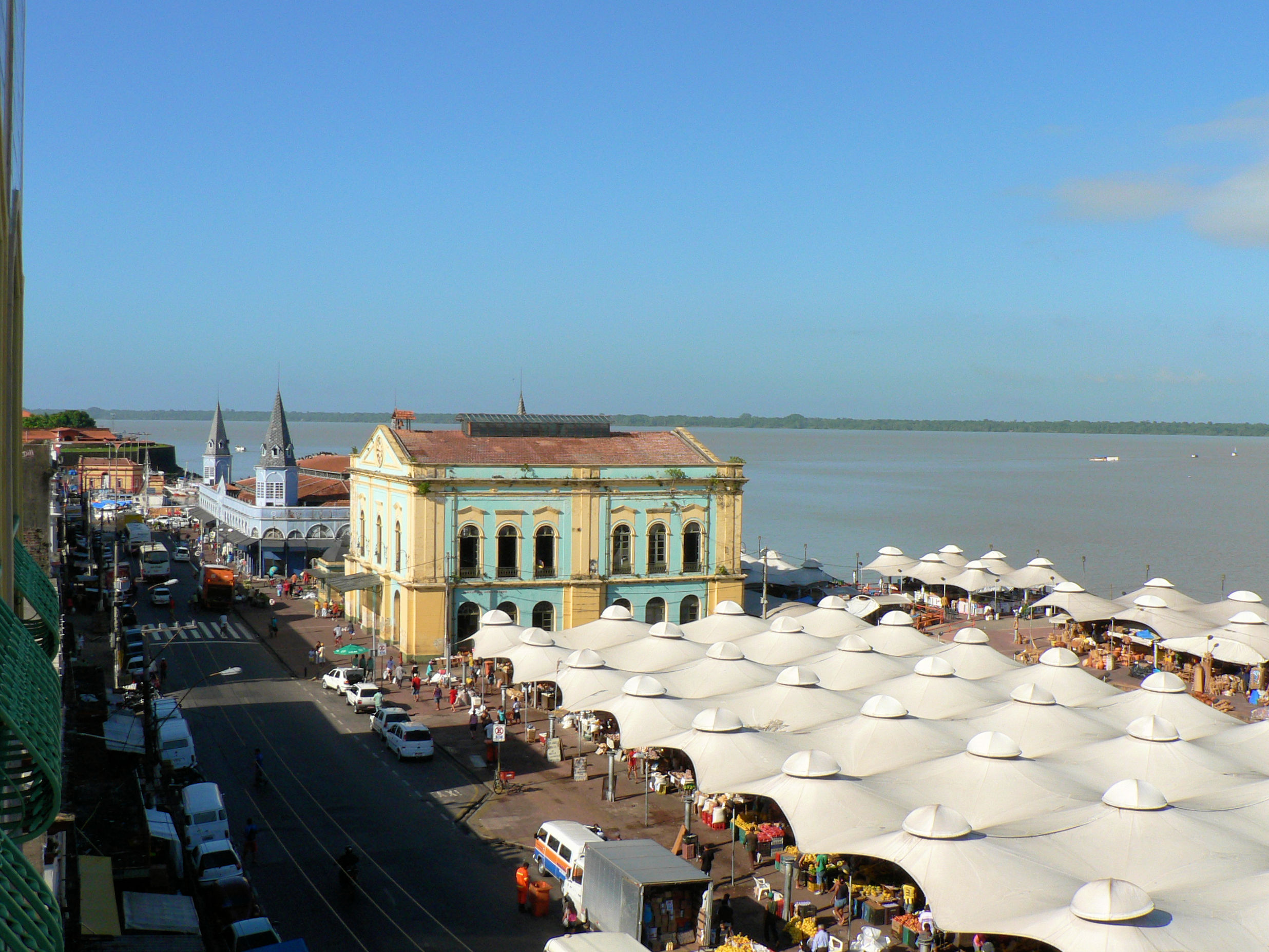
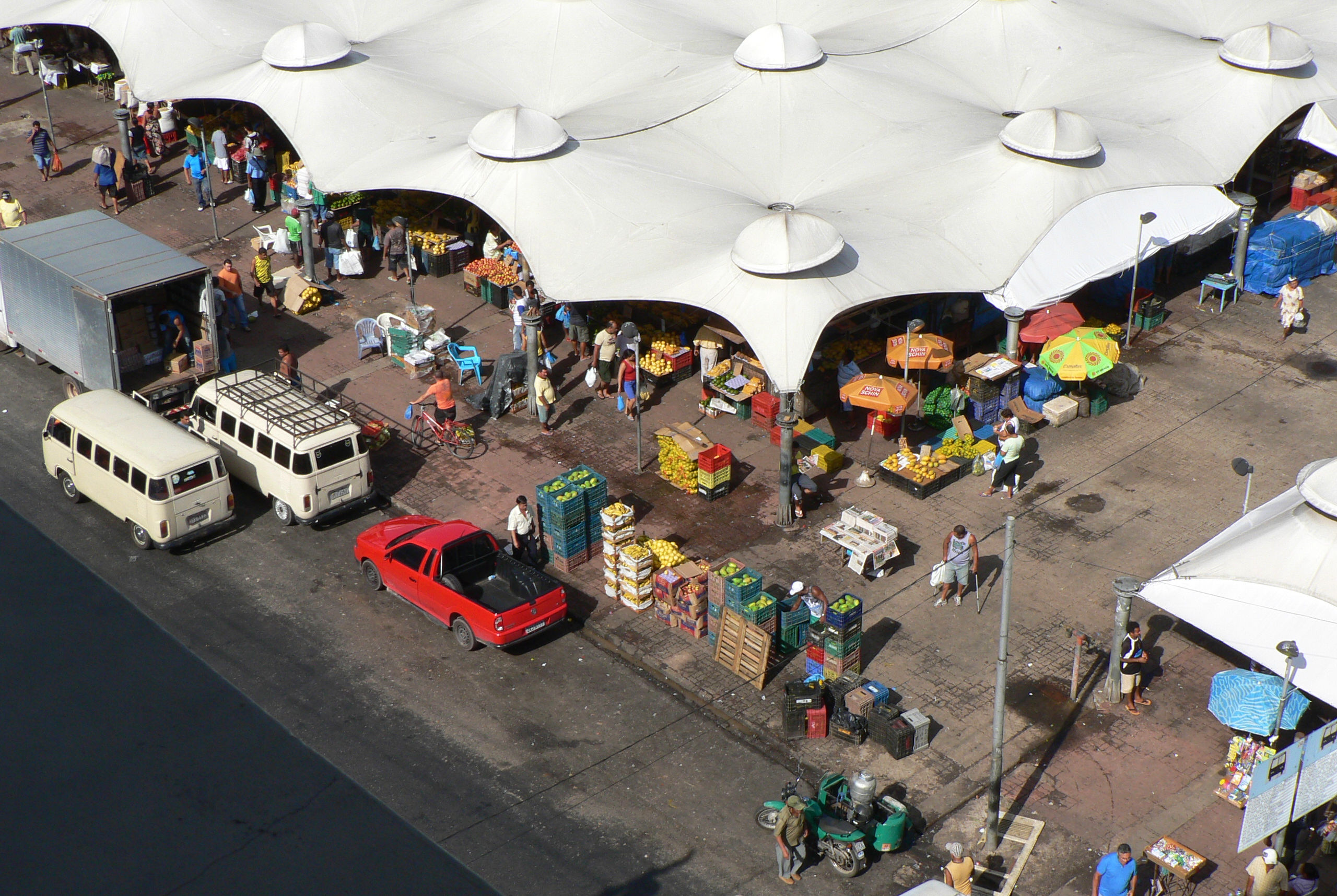
Complexo do Ver-o-Peso It is the largest and most famous open-air market in Latin America and one of the most important cultural and economic symbols of the Amazon region. The sprawling waterfront complex boasts a history spanning nearly 400 years and blends colonial architecture with the vibrant daily life of the people in the state of Pará. A vast array of products from the Amazon region is sold here.
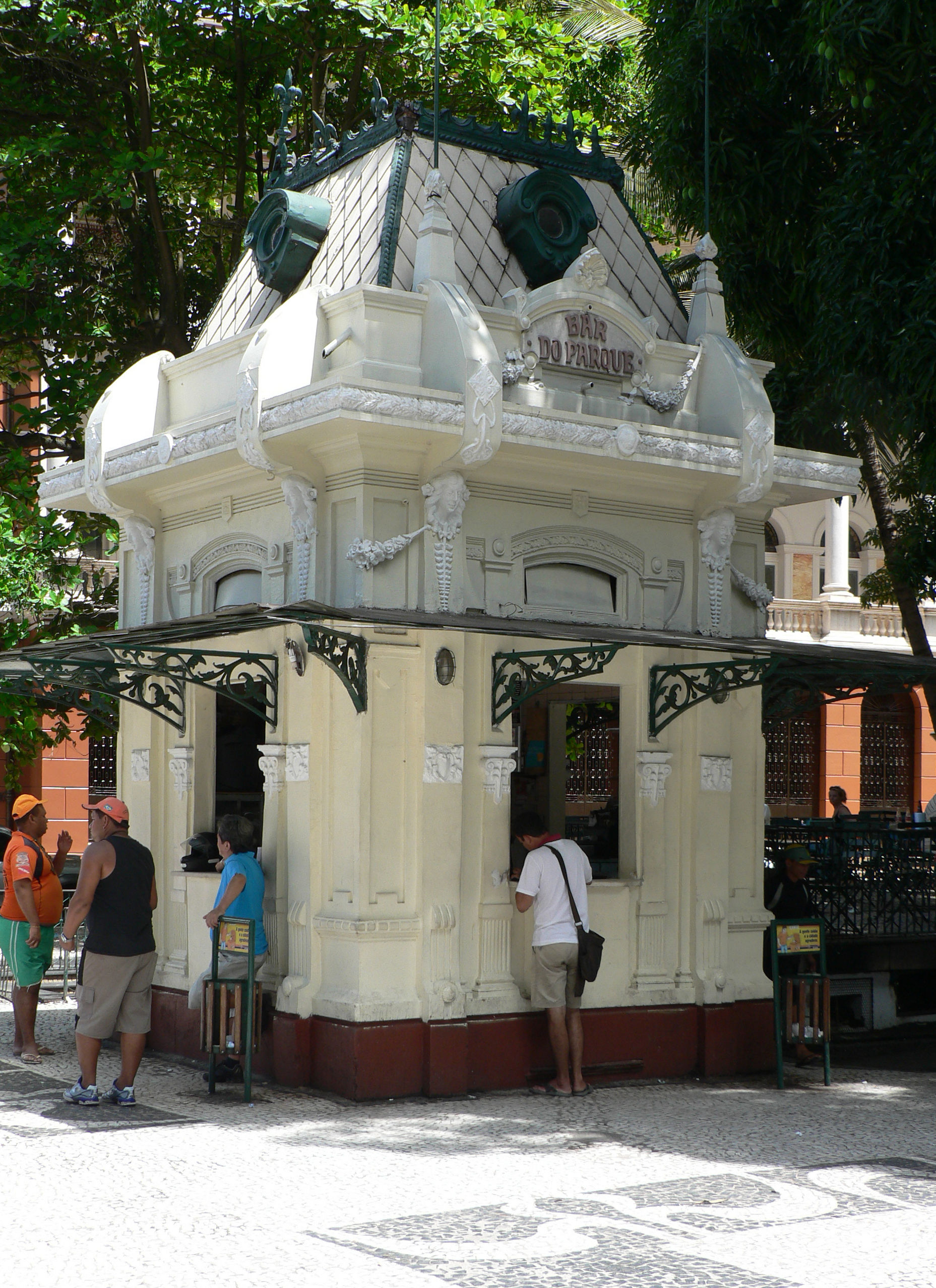
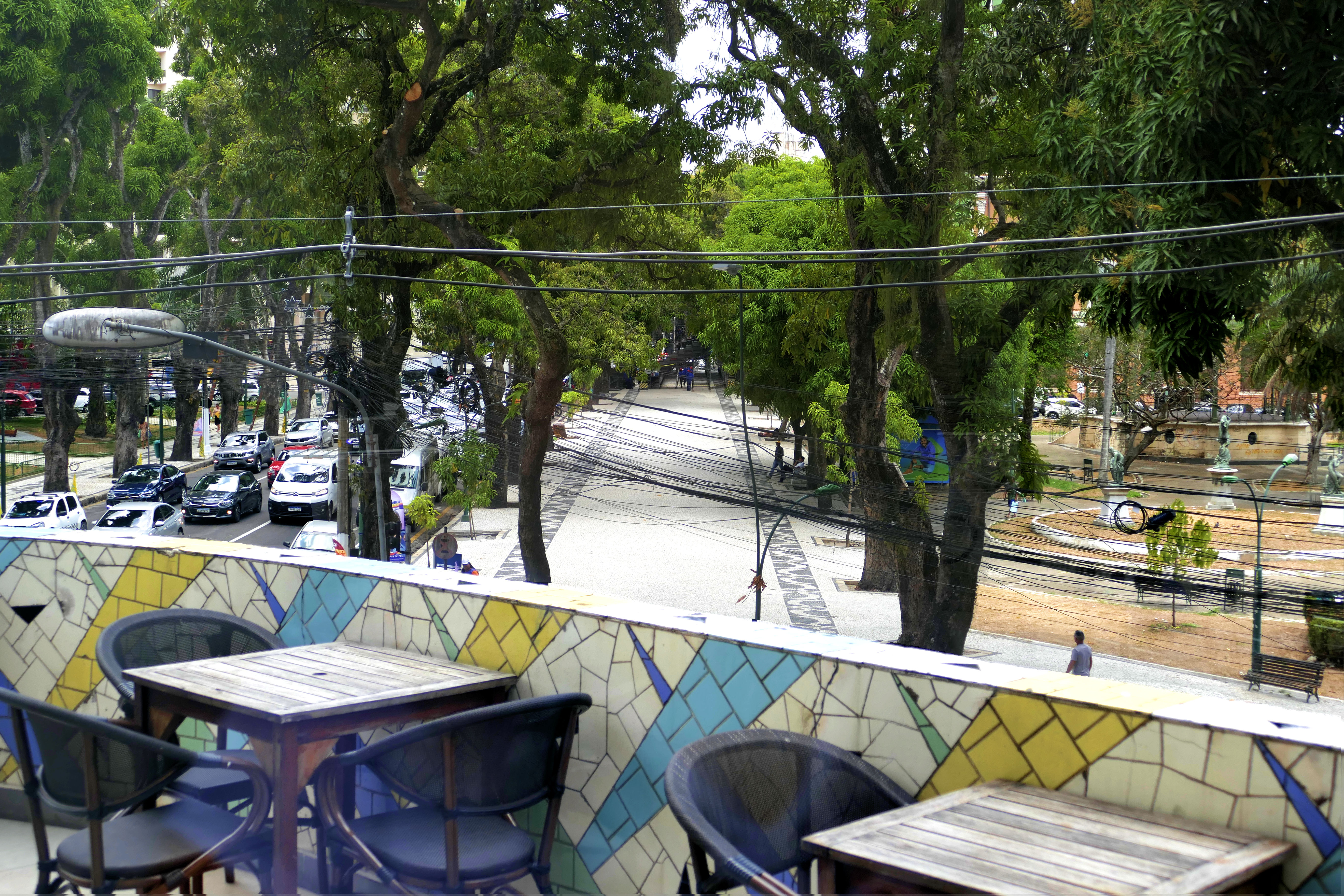
The Praça da República is the most central and historically significant public square in Belém. Considered the cultural heart of the city, it reflects the splendor of the bygone rubber boom era (Belle Époque). Inspired by Parisian architecture, magnificent monuments, pavilions, and avenues lined with shade-giving mango trees were created here.
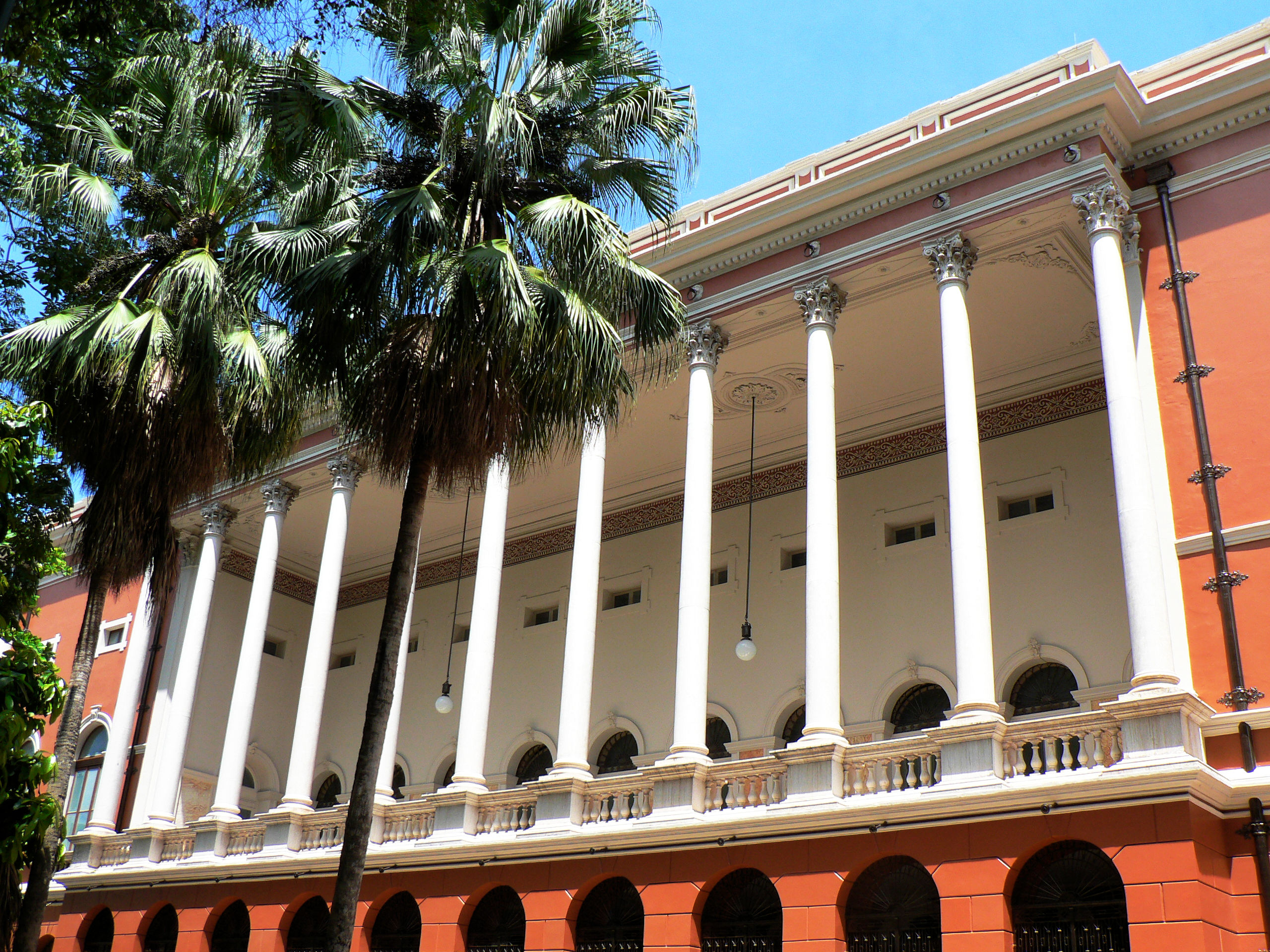
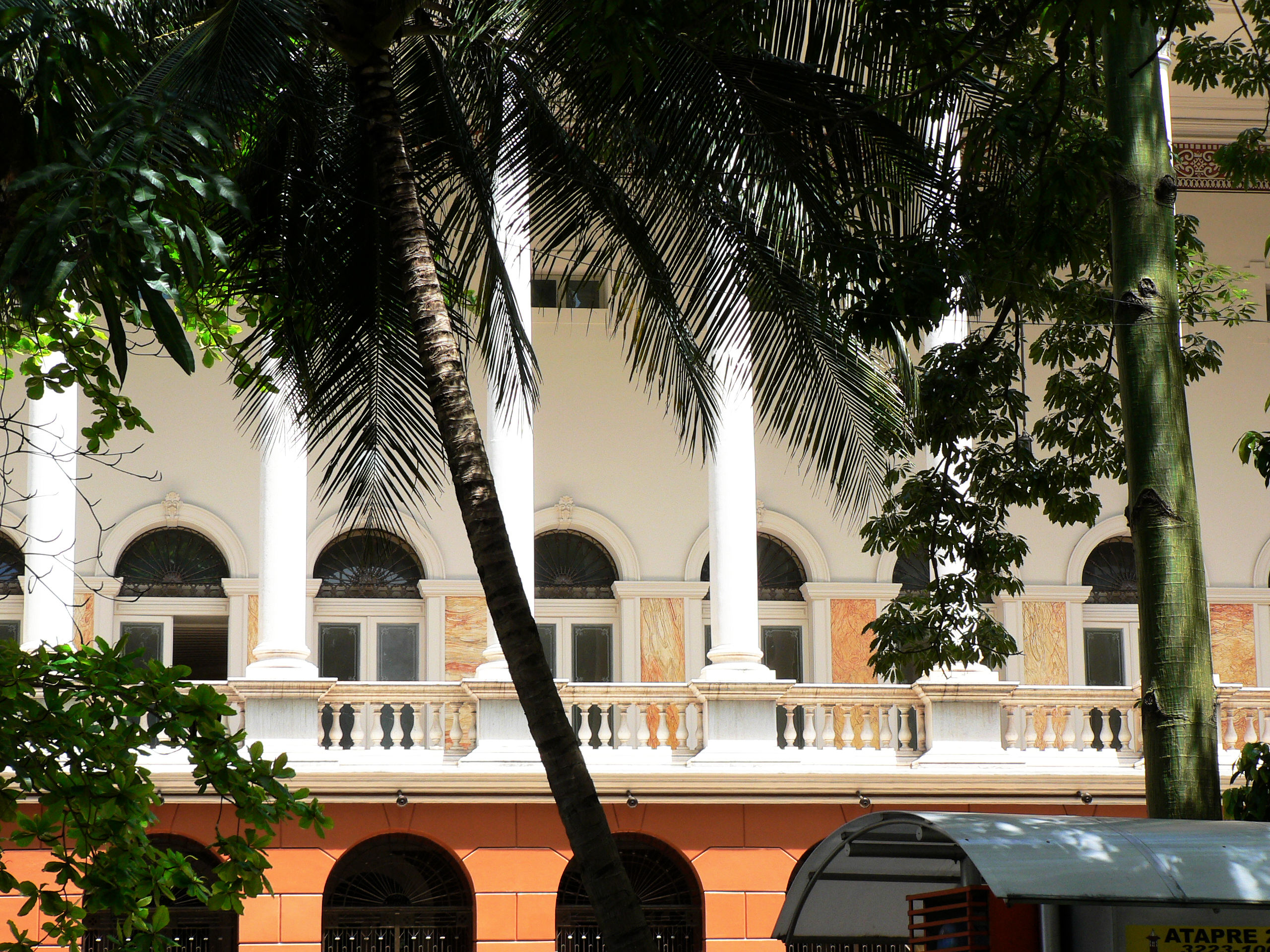
The Theatro da Paz Located in Belém, it is the largest and most luxurious theater in the northern Brazilian region and was officially designated a UNESCO World Heritage Site in July 2026. The historic opera house is situated right on Praça da República and is considered one of the most significant architectural landmarks of the Amazon. Both buildings — the Theatro da Paz in Belém (opened in 1878) and the Teatro Amazonas in Manaus (opened in 1896) — are magnificent opera houses from the rubber boom era and are jointly recognized as a UNESCO World Heritage Site. The theater in Manaus is world-famous for its distinctive red-and-yellow dome and its jungle setting, while the older theater in Belém impresses with its neoclassical elegance and Italian marble. The Theatro da Paz in Belém, which opened in 1878 and was inspired by Milan’s Teatro alla Scala, owes its outstanding acoustics to the use of fine regional woods, an Italian-style horseshoe-shaped layout, and carefully designed resonance chambers in the substructure that optimally carry the sound throughout the neoclassical auditorium. The outstanding acoustics of the Theatro da Paz were not attributed to a single discoverer; rather, their quality has been confirmed over generations by international opera singers, conductors, and musicians, and — in modern times — experimentally verified by acoustic engineers and scientists. Singers and conductors immediately praised the fact that even a soft whisper on stage could be heard perfectly as far away as the boxes in the upper tiers.
Don't forget: This article has two pages. Here is page 1. See also > page 2.
And keep it up to the next page: > Page 2 or > Paintings from the 70s to the present in specific time periods
ALL IMAGES AND SITE CONTENT © WOLFGANG HOCK |
|||